

-1.png?width=300&height=106&name=HCE%20website%20header%20image%20(4)-1.png "HCE website header image (4)-1")
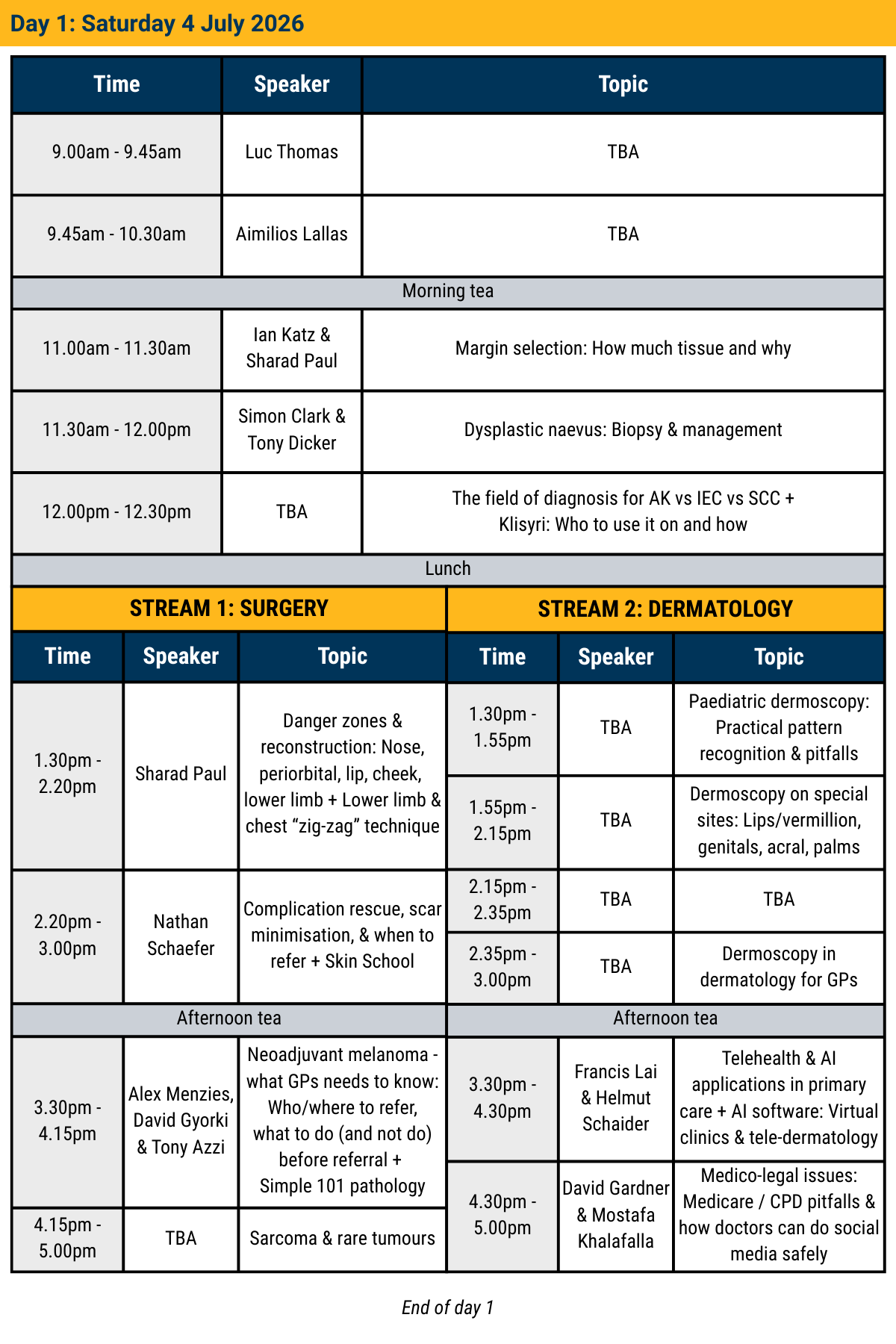
-1.png?width=600&height=2500&name=DERMOSCOPY%20MASTERCLASS%20PROGRAM%20(1)-1.png "DERMOSCOPY MASTERCLASS PROGRAM (1)-1")
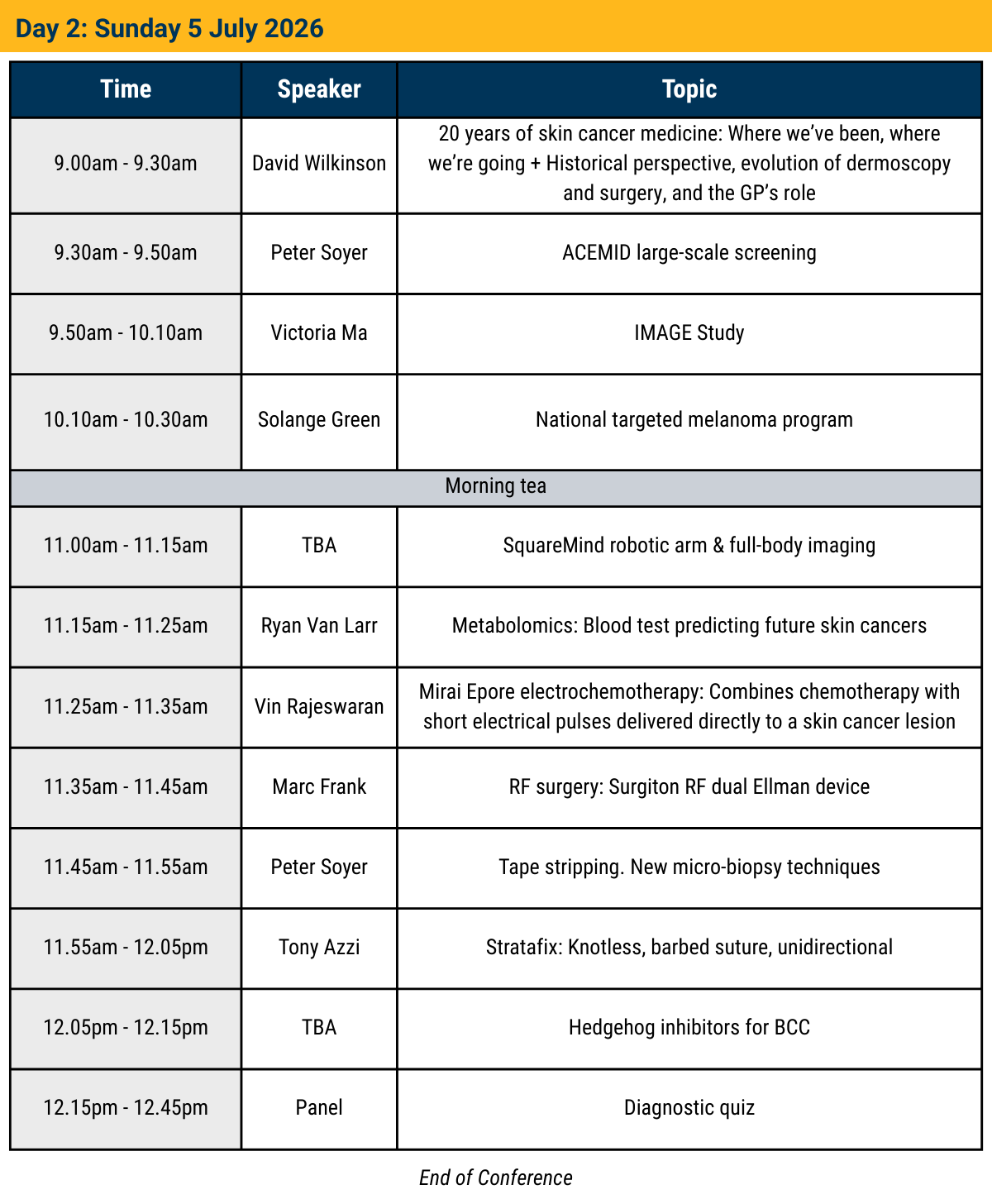
-1.png?width=600&height=1250&name=SURGERY%20MASTERCLASS%20PROGRAM%20(1)-1.png "SURGERY MASTERCLASS PROGRAM (1)-1")

Dermatologist-Venereologist, First Department Of Dermatology, Aristotle University, Greece
President, International Dermoscopy Society
Aimilios Lallas is a Professor of Dermatology at the First Department of Dermatology of Aristotle University in Thessaloniki, Greece. He is specialised in skin cancer diagnosis with non-invasive techniques, as well as in the management of skin cancer patients.
His main field of research interest is dermoscopy of skin tumours, the application of the method in general dermatology and the improvement of the management of oncologic patients. He is an author of more than 330 scientific papers published on Pubmed Central, most of them on dermoscopy and skin cancer. He is an editor of eight books and author of several book chapters on dermoscopy. He is a co-investigator in several Phase III Clinical trials on skin cancer treatment. He has been awarded several scholarships and scientific awards.
Over the last years, Prof Lallas has established scientific collaboration with numerous colleagues from several countries and has supervised the training of numerous fellows from different countries. He is an invited speaker in several domestic and international congresses and meetings, mainly on dermoscopy and on skin cancer diagnosis and management. He is particularly involved in teaching activities on dermoscopy, having organised and participated in numerous domestic and international courses.
Prof Lallas is currently the President of the International Dermoscopy Society.
Professor and Chairman Department of Dermatology, Medical University of Lyon, France
Professor Luc Thomas was Board-certified in dermatology in 1989 at Lyon 1 University. He was trained as a post-doctoral fellow at Harvard Medical School in 1990 and 1991, and obtained his PhD degree at Lyon 1 University in 1993. He became full professor of dermatology in 1996, first class professor in dermatology in 2009, and Chairman of the Department of Dermatology of Lyon 1 University - Centre Hospitalier Lyon Sud in 2003. He obtained his Board certification in Clinical Oncology in 2013.
Luc’s main research fields include skin oncology, early diagnosis of melanoma, dermoscopy, skin surgery and nail diseases. He has published more than 400 peer-reviewed scientific articles in international journals, is the co-editor of four books published in several languages and co-author of more than 25 books. He has lectured at many international meetings, is an associate editor of Dermatology, a member of the board of the International Dermoscopy Society, a past member of the board and treasurer of the French Society of Dermatology from 2000 to 2003, and treasurer of the World Congress of Dermatology in Paris in 2002.

Doctor, New Town Skin Cancer & Skin Repair Centre, Hobart
Dr Dianne King is a GP who has subspecialised in skin cancer medicine for the past two decades. She holds a Masters of Medicine in Skin Cancer from The University of Queensland and established one of the first standalone skin cancer clinics in Hobart in 2009.

Associate Professor (Skin Cancer) & Course Coordinator MMed (Skin Cancer), The University of Queensland
Associate Professor Tony Dicker has practised full-time Skin Cancer Medicine in Melbourne since 2004, and previously practised in Brisbane. He obtained his PhD from The University of Queensland in molecular biology of skin cancer with Professor Ian Frazer's group at Princess Alexandra Hospital. He then spent three years as a dermatology registrar at the Royal Brisbane and Princess Alexandra Hospitals.

Senior Lecturer, The University of Queensland
Director at Newcastle Skin Check, Charlestown NSW
Dr Anthony Azzi graduated from the University of Sydney in 1989 and moved to Newcastle, where he spent the next 13 years working in the public hospital system. He now works in private practice.
He completed a Master of Medicine in Skin Cancer from The University of Queensland, where he is now a Senior Lecturer. He is a member of the Australian Medical Association, Skin Cancer College Australasia, and the Australian College of Rural and Remote Medicine.

Adjunct Professor, Auckland University of Technology, New Zealand
Senior Lecturer, The University of Queensland, Australia
Professor Sharad P Paul is a skin cancer doctor, academic, thought-leader and author. In 2012, he was awarded the NZ Medical Association's highest honour, only awarded to one doctor across all specialties at a time. He is a three-times nominee and finalist for New Zealander of the Year.
Prof Paul is known for one of the largest series of skin cancer patients globally, for his ground-breaking work in the understanding of skin tension lines, developing several new surgical procedures, fostering healthcare innovation and a research lab that is involved in sunscreen technology and bioengineering devices.
He is considered the only person to have authored works of literary fiction, non-fiction, poetry and medical textbooks that have been published by major publishers and translated into several languages. APAC, Asia-Pacific's largest healthcare forum awarded Prof Paul the Ko Awatea International Excellence Award for Leadership in Healthcare for "improving skin cancer management, education, and patient-centred care on a global scale".
FRACGP
Dr Moz is an Australian trained Procedural General Practitioner with extensive experience and a passion for skin cancer and women's health. He graduated from Monash University with a Bachelor of Medicine/Surgery and spent years working in procedural medicine before turning his keen eye and expert skills towards caring for the skin and appearance of Australians. Dr Moz has completed a Masters in Skin Cancer which is the highest postgraduate degree available in Australia currently. He also teaches advanced surgical skills through one of the largest GP training organisations in the skin cancer field.
Consultant Plastic Surgeon at Cork University Hospital, South Infirmary University Hospital and Bantry Hospital
Special Interest: General Plastic and Reconstructive Surgery, Skin Cancer, Burns and Burn Reconstruction, Aesthetic Surgery, Hand Surgery. Research Interest in Stem Cell Therapy; Wound Healing; Translational Skin Cancer treatment with Electrochemotherapy.

Surgical Oncologist
Professor David Gyorki is a specialist surgical oncologist with a clinical focus on the management of melanoma, soft tissue sarcoma, and other complex malignancies. He is a consultant surgeon and the Director of the Sarcoma Service at the Peter MacCallum Cancer Centre.
Prof Gyorki completed his general surgical training at St Vincent’s Hospital and the Peter MacCallum Cancer Centre, before undertaking advanced fellowship training in Surgical Oncology at Memorial Sloan Kettering Cancer Center in New York. His practice emphasises multidisciplinary decision-making and a nuanced understanding of when surgery, systemic therapy, or non-surgical management is most appropriate.
He has a strong academic and research background, with extensive publications in melanoma, soft tissue sarcoma, and breast cancer. Prof Gyorki is a member of the ASCO Melanoma Guidelines expert panel member, and a board member of the Australian Sarcoma Study Group. Over the last decade, he has been involved in numerous seminal and practice-changing studies in the use of neoadjuvant therapy in melanoma. He is also a world leader in the management of soft tissue sarcoma and is actively involved in the Connective Tissue Oncology Society. His research interests include the role of the immune system in melanoma dormancy and progression.
PhD
Professor Kiarash Khosrotehrani is a specialist dermatologist and Director of the Frazer Institute at the University of Queensland, where he holds the inaugural St Baker-Soyer Chair of Dermatology. He is a Fellow of the Australasian College of Dermatologists and practises clinically at the Princess Alexandra Hospital and the Queensland Institute of Dermatology. A nationally recognised leader in dermatology, Prof Khosrotehrani is the President-Elect and a Board Director of the Australasian College of Dermatologists and has previously served as Editor-in-Chief of the Australasian Journal of Dermatology. His research focuses on skin cancer, keratinocyte cancers, and translational clinical trials — including leading investigator-led trials in wound healing and melanoma.

Medical Oncologist and Professor of Melanoma Medical Oncology at Melanoma Institute Australia (MIA), The University of Sydney, and Royal North Shore and Mater Hospitals
Prof Alex Menzies received his PhD in 2015 for research exploring the biology of BRAF-mutant melanoma and biomarkers of response and resistance to targeted therapy, and has an impressive track record for clinical and translational research. Since 2009 he has been an investigator on over 80 sponsored and investigator-led Phase I to III clinical trials of systemic therapies in melanoma, and in the last 5 years has over 85 publications with more than 2000 citations in journals such as Nature, Lancet Oncology, Nature Communications, Journal of Clinical Oncology, Annals of Oncology and Clinical Cancer Research.
Prof Menzies conducts several investigator-led and sponsored clinical trials, manages the medical oncology clinical and biospecimen databases at MIA that underpin clinical and translational research, and serves as a faculty member and research committee member at MIA. He has co-established an international clinical research collaboration network between several major Australian, USA and European melanoma centres providing opportunities for junior research staff leading to high impact original research publications, and is a founding member of the international neoadjuvant melanoma consortium (INMC).
His main research interests are clinical trials of new systemic therapies for melanoma, biomarkers of response and resistance to systemic therapy, and immunotherapy-related toxicity.

MBBS, PhD
Professor Cliff Rosendahl is a general practitioner of over 50 years’ experience, with a background in rural and metropolitan general practice and forensic medicine. Prof Rosendahl is a Professor at The University of Queensland, Australia, and a Distinguished Visiting Professor at Tehran University of Medical Sciences, Iran. He has published over 110 papers in peer-review journals and co-authored 2 textbooks on dermatoscopy, which have been published in 9 and 4 languages respectively. Prof Rosendahl enjoys speaking to GPs, dermatologists and dermatopathologists in Australia and internationally.

MBBS, FRACS, FRCSEng, FRCSEd
Emeritus Professor of Surgery, The University of Queensland
Queensland Melanoma Project, Princess Alexandra Hospital
Emeritus Professor Mark Smithers is a surgical oncologist specialising in melanoma, advanced skin cancer and soft tissue sarcoma, as well as oesophago-gastric malignancy. He served as Director of the Upper GI and Soft Tissue Unit at Princess Alexandra Hospital (1998–2023) and held the Mayne Chair in Surgery at The University of Queensland, where he led the Academy of Surgery.
Prof Smithers has played a central role in advancing melanoma management in Queensland through his leadership of the Queensland Melanoma Project and involvement in phase I–III clinical trials across all stages of disease. His research has focused on surgical outcomes, multidisciplinary perioperative therapy, and improving access to cancer surgery. He is presently the Director of the Queensland Melanoma Institute Development project in the Metro South Health District in Brisbane.
He has published more than 250 peer-reviewed articles and eight book chapters, and has held numerous leadership roles within the Royal Australasian College of Surgeons and international surgical organisations.
Prof Smithers has been recognised with the Member of the Order of Australia (AM), the Sir Hugh Devine Medal (RACS), and honorary fellowships of the Royal College of Surgeons of Edinburgh and the American Surgical Association.

MBChB (Hons), MMedsci (Res), MD (Res), PD, FACD
Associate Professor and Senior Principal Research Fellow at The University of Queensland’s Frazer Institute
Associate Professor Simone M. Goldinger is an internationally trained Dermatologist and Clinical Researcher specialising in skin cancer and melanoma.
A/Prof Goldinger completed her medical and dermatology training in Switzerland before undertaking further specialist training in Australia, and is a Fellow of the Australasian College of Dermatologists. She has published extensively in leading journals including The New England Journal of Medicine, Science, The Lancet Oncology, and the Journal of Clinical Oncology, with a strong focus on melanoma, early detection, and the evolving management of skin cancer. Her research bridges clinical practice and translational science, including work on immunotherapy, genetic testing, and large-scale screening initiatives.
A/Prof Goldinger is also Chair of the Communications Committee for the Australasian Society for Dermatology Research (ASDR) and a regular speaker at national and international conferences.

Clinical Director of North Queensland Skin Centre
Chair of Specific Interests, RACGP
A/Prof Jeremy Hudson is Clinical Director of the North Queensland Skin Centre, a research clinic based in Townsville, Queensland. Working in a region with one of the highest incidences of skin cancer globally, A/Prof Hudson works as a full-time clinician and is strongly committed to using primary care centres as research hubs, ensuring patients have access to the latest evidence-based advances in diagnosis and management. He has been involved in the development of novel AI-based imaging systems, phone applications, imaging technology, and national standards and recommendations for screening and management in urban and rural settings. His clinical interests include dermoscopy, advanced surgical techniques, and improving diagnostic accuracy in challenging lesions.

MBBS, BOptom (Hons 1), MMed, PhD, FSCCA
Associate Professor John Pyne is a University of Sydney medical graduate. He has been conferred with a Master of Medicine (Skin Cancer) degree and PhD (thesis on dermoscopy-histopathology correlations in basal and squamous cell carcinoma) from The University of Queensland. A/Prof Pyne has previous appointments at the Melanoma Unit Royal Prince Alfred Hospital and Skin Cancer Clinic, St George Private Hospital, Sydney. He is a Fellow and past President of the Skin Cancer College of Australasia. John has previously held the position of Program Director for the Master of Medicine (Skin Cancer) degree at The University of Queensland.

Dr Paul Belt is a specialist plastic and reconstructive surgeon with extensive experience in skin cancer surgery, reconstruction and aesthetic procedures. He completed his medical degree at the University of Oxford, followed by general surgical training in the UK and advanced plastic and reconstructive surgery training in Australia, with further fellowship experience in Oxford and London.
Dr Belt has been a consultant plastic surgeon since 2005 and is currently a Visiting Specialist at Princess Alexandra Hospital, Greenslopes Private Hospital and Pacific Day Surgery. His clinical practice includes the management of skin malignancies, reconstructive surgery, and complex aesthetic procedures.
He is actively involved in surgical education and training, having held leadership roles within the Australian Society of Plastic Surgeons and contributing to curriculum development and registrar training through the Royal Australasian College of Surgeons. He is currently the Queensland State Supervisor of training and is on the Board of the Australian Plastic and Reconstructive Surgery.

Honorary Lecturer in Pathology, The University of Queensland
Dr Simon Clark runs the pathology component of the postgraduate certificate courses in skin cancer medicine at The University of Queensland and lectures in the Masters of Medicine course. He has been involved in dermatopathology education for more than 20 years, training registrars in dermatology, pathology and plastic surgery. More recently he has been active in GP education. One of the best known dermatopathologists in Australia, Dr Clark was recently appointed a visiting professor in dermatology at the Tehran University of Medical Sciences.

Dr Solange Green is Fellow and Board member of the Skin Cancer College Australasia, and a Fellow of the Royal Australian College of General Practitioners.
Dr Green is passionate about Primary Care involvement in the health governance of skin cancer. She sits on the Expert Advisory Committee for the National Melanoma Screening Program and is the Primary Care representative on both the Queensland Cancer Control Melanoma and Non-melanoma subcommittees.
She is involved in skin cancer education as a surgical skills tutor and in program planning and chairing sessions at national and international skin cancer conferences such as the Australian Melanoma Conference and Global Advances and Controversies in Skin Cancer conferences.
She has been involved in sunscreen and skincare consulting for L’Oreal and La Roche Posay.
She is a Senior Lecturer at the University of Queensland and is involved in skin cancer research.
She is a trial physician at the QIMR Berghorfer. She has had articles published in the Australian Journal of Dermatology, the Australian Journal of General Practice and the Journal of Investigative Dermatology.
Dermatopathologist
Dr Ian Katz is a senior dermatopathologist with more than two decades of experience in the diagnosis of skin cancer. He trained in medicine at the University of Cape Town and completed his pathology training in Australia, becoming a Fellow of the Royal College of Pathologists of Australasia in 1996.
Dr Katz is a senior pathologist at Southern Sun Pathology, Australia’s largest dedicated skin cancer dermatopathology laboratory, where he reviews a significant proportion of skin cancer specimens nationally. His work focuses on correlating clinical and dermoscopic features with histopathological findings to support accurate diagnosis and appropriate surgical management.
He is widely involved in education and regularly teaches clinicians about skin cancer diagnosis, margin assessment, and the pathological principles that underpin surgical decision-making. Dr Katz has a strong interest in early detection, digital diagnostics, and improving real-world outcomes through closer collaboration between clinicians and pathology.

Plastic and Reconstructive Surgeon
Dr Nathan Schaefer is a Queensland-trained Plastic and Reconstructive Surgeon with a specialist focus on skin cancer excision and reconstruction. Based in Brisbane, his clinical practice centres on the surgical management of complex skin cancers, including advanced excisions and reconstructive procedures.
Dr Schaefer completed his medical training at Griffith University with First Class Honours and has maintained a strong academic profile, publishing more than 30 peer-reviewed research papers and presenting nationally and internationally. He performs a high volume of skin cancer procedures each year and works closely with dermatologists to provide reconstruction following Mohs micrographic surgery.
He has a longstanding commitment to melanoma care and research and is actively involved in professional education. Dr Schaefer is a Fellow of the Royal Australasian College of Surgeons (FRACS).

Associate Professor of Dermatology, Tufts University School of Medicine, USA
Dr Elizabeth “Vinny” Seiverling is an Associate Professor of Dermatology and member of the Dermatology teaching faculty at Tufts University School of Medicine in Boston, Massachusetts, USA. She attended Penn State College of Medicine and completed an Internal Medicine internship at Massachusetts General Hospital followed by Dermatology residency at the University of California San Francisco.
Dr Seiverling has a special interest in non-invasive tools for the detection of skin cancer such as dermoscopy, reflectance confocal microscopy and total body photography. She has developed multiple dermoscopy curricula and was on the American Academy of Dermatology Basic Dermatology Curriculum Work Group which aimed to add dermoscopy to standard medical student education in the United States. She is a member of the International Dermoscopy Society Educational Work Group. She has created innovative care delivery models utilising eConsult and tele-dermoscopy to improve access to care to patients in rural and underserved settings.

Dr Valli Thanni is a dermatopathologist with Southern Sun pathology. She trained in medicine at the Rajiv Gandhi University of Health Sciences, India and then worked in Malaysian Hospitals for 4 years. After relocating to Australia, she commenced pathology training in 2010 with the majority of training spent at Westmead hospital, Sydney. She obtained her Fellowship in Anatomical Pathology (FRCPA) in 2015 following which she joined Southern Sun Pathology having always had a strong interest in dermatopathology. She enjoys teaching and has conducted teaching sessions for referring practitioners and Southern Sun Pathology staff.

Dr Stephanie Zunder is a medical oncologist with a particular interest in melanoma and immunotherapy. Originally trained in the Netherlands, she has been involved in both clinical oncology practice and cancer research, with publications spanning tumour microenvironment biology, colorectal cancer, and immunotherapy-related toxicities. She is currently affiliated with the renowned Melanoma Institute Australia as a Medical Oncology Fellow, where she works alongside leading melanoma specialists and contributes to patient care, research, and education initiatives. Her work focuses on advancing treatment outcomes for patients with melanoma and other cancers through evidence-based oncology and multidisciplinary care.

David Gardner is a solicitor with a special interest in relation to health regulation. He first commenced legal practice in commercial litigation, before starting work at AHPRA as an investigator. He has worked in a variety of roles across South Australia, Victoria, and NSW, including as the Senior Inspector for criminal prosecutions in NSW and as a manager of large investigative teams in SA and Victoria.
Concerned by how practitioners were dealt with by AHPRA, David returned to private practice and in early 2019 opened his own practice, Gardner Legal & Regulatory.
After six years in private practice, he wanted to find a way to proactively assist practitioners avoid complaints being made in the first place. David identified an absence of CPD online learning for health practitioners regarding regulatory compliance. As a result, he launched a new education portal for health practitioners, Australian Health Professional Development (AHPD) in October 2024.


Business Futurist & Innovation Expert
Craig Rispin is a business futurist and innovation expert specialising in emerging trends across technology, business and people, and how organisations can apply them in practice.
For over 20 years, he has worked with global organisations to help leaders understand what’s coming next and how to respond in a rapidly changing environment. Craig is an award-winning keynote speaker who has presented to audiences of up to 16,000 people across five continents and regularly works with senior leaders and professional audiences worldwide.
He is also the author of How to Think Like a Futurist and a recognised voice in innovation and future trends. Craig has worked with a wide range of organisations and industries, bringing a practical, forward-looking perspective that helps audiences better understand change and adapt with confidence.




.png?width=100&height=100&name=Jules%20Wynyard%20edit%20circle%20(3).png "Jules Wynyard")
.png "HealthCert Education 150 x 50 (10KB)")