
Skip to content
PROFESSIONAL CERTIFICATE

Medical Trichology

Learn the foundations of managing hair and scalp disorders, from consultation and assessment through to therapeutics.
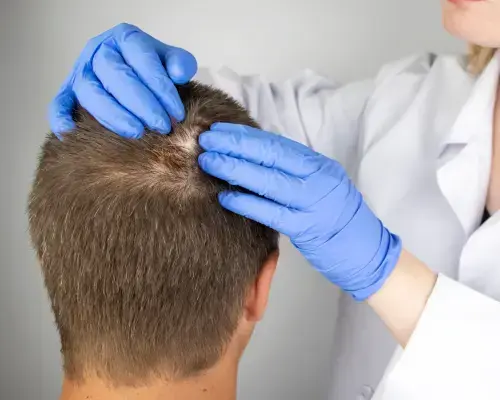
medical trichology certificate course

Overview

Take an evidence-based approach to the assessment and management of hair and scalp disorders commonly seen in general practice.

From core anatomy and physiology through to trichoscopy and targeted management of conditions such as pattern hair loss, telogen effluvium and alopecia areata, this Certificate Course emphasises real-world clinical decision-making, accurate diagnosis, appropriate investigations, patient-centred counselling, and knowing when to treat, reassure, or refer.

  • This course is perfect for practitioners with no to little training in this area.
  • This course is for medical doctors, International Medical Graduates, registered nurses, and degree-qualified health professionals.
  • CPD-accredited and university-reviewed.

CPD requirements

Fulfils 50 hrs for medical professionals in Australia*

Study modes

100% online

Course fee

$1595
Special rates available

Study duration

TBC hrs
Self-paced

*provided an outcome measurement activity with a minimum of 5 hours is completed.

Reviewed by Griffith University

Course benefits

  • Build confidence in diagnosing common and complex hair loss presentations seen in general practice.
  • Improve diagnostic accuracy using structured history taking, examination, and trichoscopy.
  • Apply evidence-based management for male and female pattern hair loss, telogen effluvium, and alopecia areata.
  • Better support your patients through realistic counselling and recognition of psychosocial impact.
  • Know when to manage in primary care and when referral is appropriate.

Get unlimited access to all course content, additional learning materials, ongoing post-course support, and more.

Course contents

Foundations of hair & scalp: Anatomy & function 1

This module provides a structured introduction to the anatomy, physiology and function of the hair and scalp, establishing essential foundations for understanding health and disease. Participants will examine the follicular unit and pilosebaceous anatomy together with vascular supply, innervation and the concept of immune privilege that protects follicles from autoimmune attack. The module also explores the hair cycle with its anagen, catagen, telogen and exogen phases and the key signalling pathways that regulate growth and shedding. By linking microscopic anatomy to clinical relevance, learners gain insight into how disruptions in follicular physiology contribute to conditions such as alopecia, folliculitis and scarring disorders. Designed for health professionals, the program combines academic theory with clinical application, preparing participants to apply knowledge in diagnostic reasoning and patient care. This foundation builds confidence in recognising pathology, guiding management and supporting further specialised learning in medical trichology.

Foundations of hair & scalp: Anatomy & function 2

This module explores the structure and function of the hair shaft, variations in hair types, determinants of pigmentation, and the anatomy of the scalp. Building on Part I, participants will examine the composition of keratins, the organisation of cuticle, cortex and medulla, and how bonds within the shaft influence strength, elasticity, and curl pattern. The module highlights how chemical and heat treatments alter these bonds and may contribute to shaft fragility, split ends, and acquired disorders such as trichorrhexis nodosa. Learners will also study human hair classifications including terminal, vellus and lanugo hair, with emphasis on racial and ethnic variations that affect clinical presentation and disease risk. Finally, the module addresses the unique features of scalp skin, its innervation and blood supply, and the wide spectrum of inflammatory, infectious, autoimmune and neoplastic disorders that commonly present in this region. By integrating microscopic anatomy with clinical relevance, the program equips participants with essential skills for recognising, diagnosing, and managing hair and scalp conditions.

Examination & history-taking for hair disorders

This module provides a structured approach to the recognition, assessment, and management of hair and scalp disorders. Participants will explore the classification of alopecias, differentiating between scarring and non-scarring conditions, and apply principles of pre-test probability to clinical reasoning. Through case-based learning, the module covers comprehensive history taking, systematic scalp and hair examination, and the use of diagnostic tools such as trichoscopy and biopsy. Learners will develop the skills to enhance diagnostic accuracy, formulate holistic management plans, and integrate supportive, medical, surgical, and camouflage strategies tailored to patient needs. Emphasis is placed on patient-centred care, psychosocial considerations, and the ability to communicate findings effectively. By the end of the module, participants will be able to recognise major hair disorders, conduct targeted assessments, and approach management with confidence, improving clinical outcomes for diverse patient populations.

Foundations of trichoscopy for hair disorders

This module provides a structured foundation in trichoscopy – the dermoscopic examination of the hair and scalp to help primary care practitioners and skin specialists confidently assess and manage common hair disorders. Participants will learn to identify key trichoscopic patterns in conditions such as androgenic alopecia, alopecia areata, telogen effluvium, traction alopecia, trichotillomania, and scarring alopecias. Through high-quality clinical images, case-based content, and diagnostic flowcharts, the module explores hair shaft abnormalities, follicular unit changes, vascular signs, and pigment patterns. By applying these visual diagnostic criteria, practitioners will be better equipped to distinguish between scarring and non-scarring hair loss, improve diagnostic accuracy, and make informed decisions about treatment or referral in general practice. 

Male pattern hair loss: Diagnosis and treatment

This module provides a comprehensive exploration of male pattern hair loss (MPHL), the most common cause of hair loss in men. Participants will develop an understanding of the genetic, hormonal, and pathophysiological mechanisms driving follicular miniaturization and patterned baldness. The module reviews epidemiology, risk factors, and systemic associations, while equipping learners to recognise clinical features and apply severity assessment tools such as the Hamilton–Norwood scale. Differential diagnoses, including alopecia areata, telogen effluvium, and scarring alopecias, are examined to enhance diagnostic accuracy. Emphasis is placed on the psychosocial and psychosexual burden of MPHL, acknowledging its impact on quality of life. Evidence-based management strategies are presented, covering topical and oral agents, 5α-reductase inhibitors, procedural therapies, transplantation, and cosmetic camouflage. By the end, learners will be able to diagnose MPHL confidently, assess its impact, and tailor treatment plans to patient needs.

Female pattern hair loss: Diagnosis and treatment

This module provides primary care practitioners with an evidence-based framework for diagnosing and managing female pattern hair loss (FPHL). Participants will learn to differentiate FPHL from common mimickers such as telogen effluvium, traction alopecia, and lichen planopilaris. The module reviews epidemiology, pathophysiology, clinical features, and psychosocial impact, highlighting the role of history, examination, and appropriate investigations in diagnosis. Current treatment strategies are outlined, including topical and oral minoxidil, spironolactone, finasteride, photobiomodulation, and platelet-rich plasma, with emphasis on efficacy, safety, and patient selection. Through case-based learning and guideline integration, practitioners will strengthen their ability to counsel patients, set realistic expectations, and deliver tailored management plans that improve quality of life and patient outcomes.

Telogen effluvium

This module introduces telogen effluvium (TE), the second most common cause of hair loss after androgenic alopecia. It provides a structured approach to understanding the condition through eight key units: introduction to the hair cycle, pathophysiology, triggers, history taking and clinical presentation, diagnostic approach, differential diagnosis, management strategies, and clinical case correlations. Participants will learn to recognise acute and chronic TE, identify common triggers such as stress, systemic illness, medications, and nutritional deficiencies, and distinguish TE from other forms of alopecia using clinical, trichoscopic, and laboratory tools. Evidence-based management is emphasised, covering patient reassurance, lifestyle and nutritional interventions, medical therapies, and newer treatment modalities. Case studies illustrate real-world applications, supporting critical thinking and practical decision-making. By completion, learners will confidently diagnose TE and implement tailored, patient-centred management plans.

Alopecia areata: Diagnosis and treatment

This module provides an in-depth exploration of alopecia areata (AA), a common autoimmune form of non-scarring hair loss with significant clinical and psychosocial impact. Participants will examine the underlying pathophysiology, including immune privilege disruption, genetic susceptibility, and inflammatory cytokine pathways. The module reviews epidemiology, comorbid associations, and prognostic factors, with attention to the varied clinical subtypes from patchy AA to alopecia universalis. Diagnostic approaches will be covered in detail, including trichoscopy, clinical examination, and the use of validated scoring systems such as SALT and ALODEX. Learners will assess key differential diagnoses, such as tinea capitis, trichotillomania, and early scarring alopecias, to enhance diagnostic accuracy. Evidence-based management strategies are discussed, from topical and intralesional corticosteroids to systemic therapies, JAK inhibitors, and adjunctive supportive measures. By the end, participants will be able to diagnose AA confidently, assess severity, and tailor treatment plans to optimise outcomes.

Introduction to trichology: A clinician's guide

This module introduces trichology as a paramedical science of hair and scalp health, bridging dermatology, endocrinology, nutrition, psychology, and cosmetic science. Participants will learn the trichologist’s scope of practice, including scalp analysis, hair loss evaluation, management of common scalp disorders, and guidance on hair care, nutrition, and lifestyle. The module highlights key consultation techniques such as trichoscopy, hair pull and wash tests, and trichogram analysis. Emphasis is placed on non-medical treatment advice, patient education, and the psychosocial aspects of hair concerns. Learners will also explore effective doctor–trichologist collaboration, cultural competency in Afro-textured hair care, and the importance of personalised hair care advice. By the end, participants will understand trichology’s clinical relevance, recognise hair and scalp concerns beyond dermatologic disease, and apply multidisciplinary, patient-centred approaches to improve care and communication.

Meet your instructors

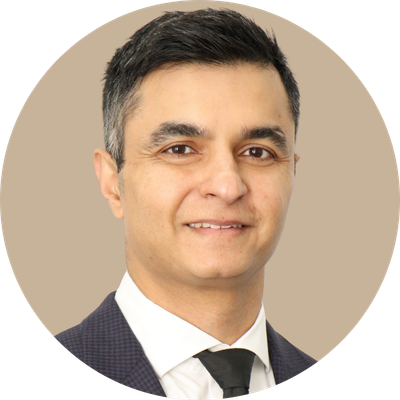
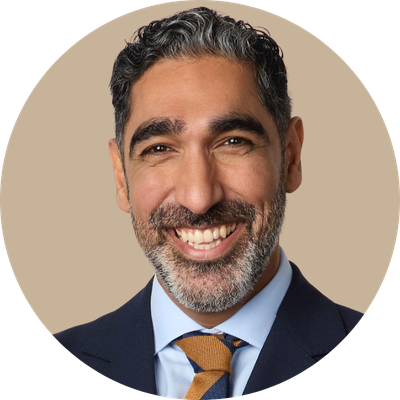
 Dr Ahmed Kazmi _ circle edit
 
Dr Ahmed Kazmi
COURSE CHAIR
MRCP, FACD


Specialist dermatologist

Dr Ahmed Kazmi is a specialist dermatologist based in Melbourne. He is a keen medical educationalist and regularly provides dermatology teaching for GP colleagues, dermatology registrars, and medical students. He is a clinical senior lecturer for UWA. He enjoys all aspects of adult and general paediatric dermatology but has particular expertise in hair and scalp disorders, including the use of JAK inhibitors for alopecia areata and the use of mesotherapy for androgenic alopecia.

Keep up to date with his talks at @drahmedkazmi. 

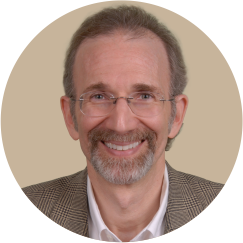
 Prof_Richard_Usatine
 
Prof Richard Usatine
MD, PhD

Professor of Dermatology and Cutaneous Surgery at the University of Texas, USA

Founder and medical director of the University Health System Skin Clinic in San Antonio, USA

Professor Richard Usatine is the Professor of Dermatology and Cutaneous Surgery at the University of Texas. He is the author of nine books and over 120 papers, founder of the Interactive Dermatology Atlas on the web, and is the most recognised skin cancer presenter in the USA. Since 2000, he has been chosen yearly by his peers to be included in The Best Doctors in America. He is also the national chair of the yearly Skin Course put on by the American Academy of Family Physicians, and is the founder and medical director of the University Health System Skin Clinic in San Antonio.

Prof Usatine has been involved in Global Health through his work in Mexico, Guatemala, Panama, Haiti and Ethiopia. In 2000, Prof Usatine was recognised as the national recipient of the Humanism in Medicine Award, by the Association of American Medical Colleges.

 Aaron Robinson _ edit
 
A/Prof Aaron Robinson
BBioTech (Hons), MBBS, PhD, FACD, GAICD
Clinical Associate Professor, University of Melbourne
 
Consultant Dermatologist, St. Vincent's Hospital and The Northern Hospital
 
A/Prof Aaron Robinson is a Fellow of the Australasian College of Dermatologists with a range of interests in medical and surgical dermatology, including skin cancer surveillance and management, acne, alopecia, and inflammatory skin conditions such as psoriasis and atopic dermatitis. A/Prof Robinson works at the Skin Health Institute in the Transplant and Skin Cancer Assessment Clinics, the Acne Clinic and is also involved in clinical research with the Skin Health Institute. A/Prof Robinson is also the current Director of Education (Medical) at the Skin Health Institute. He is a Clinical Associate Professor at the University of Melbourne and has public appointments as a Consultant Dermatologist at St. Vincent's Hospital and The Northern Hospital. 
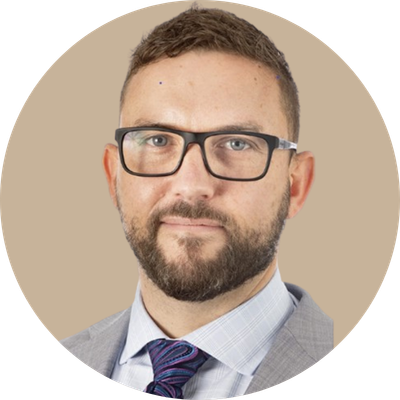
 Bevin Bhoyrul _ edit
 
Dr Bevin Bhoyrul
MBBS, PGCE, MRCGP, MRCP (Derm), FACD
Consultant dermatologist and hair transplant surgeon
 
Dr Bevin Bhoyrul is a consultant dermatologist and hair transplant surgeon practising at Sinclair Dermatology, the Dermatology Institute of Victoria and the Skin Health Institute in Melbourne, Australia.
 
Dr Bhoyrul undertook his general medical and dermatology training in the UK before moving to Australia to complete a 2-year hair fellowship under the supervision of Prof Rodney Sinclair. In that time, he consolidated his knowledge and skills in the management of hair and scalp disorders. Dr Bhoyrul is experienced in hair restoration surgery.
 
Dr Bhoyrul maintains an interest in research and has authored several publications relating to hair and scalp disorders.
 Jeff Donovan _ edit
 
Dr Jeff Donovan
PhD

Board-certified dermatologist

Dr Jeff Donovan is a US and Canadian board-certified dermatologist specialising exclusively in the treatment of hair loss. He practices in Whistler, Canada. He focuses his practice on helping children and adults from around the world who are faced with with treatment-refractory hair disorders.

Dr Donovan received his medical degree from the University of Ottawa in 2004. His postgraduate clinical training in dermatology and PhD studies in molecular biology were conducted at the University of Toronto.   Dr Donovan serves on the board of directors of the Scarring Alopecia Foundation and is a faculty member of the Department of Dermatology at the University of British Columbia.

Dr Donovan also runs the Evidence-Based Hair Fellowship (EBHF) Training Program, an international training program devoted to helping practitioners from diverse backgrounds acquire new levels of expertise in diagnosing and treating hair loss. The two-year EBHF is among the world's most comprehensive training program in hair loss.

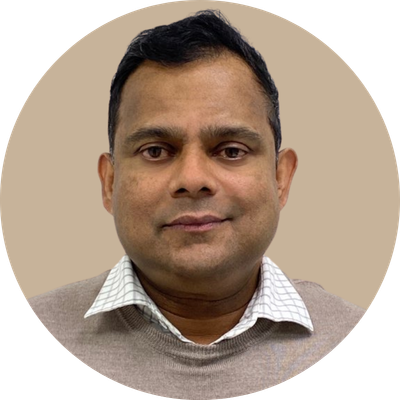
 Eeshara Vithana _ edit
 
Dr Eeshara Vithana
MBBS, FRACGP, MSC, MD, FACAM, FAID
GP with special interest in dermatology
 
Dr Eeshara Vithana is a Fellow of the Australian Institute of Dermatology, the Royal Australian College of General Practitioners, and the Australasian College of Aesthetic Medicine. He subspecialises in dermatology, aesthetic medicine, and skin cancer management, with expertise in procedures including flaps, grafts, laser therapy for various cosmetic dermatological conditions, radiofrequency applications such as Radiofrequency-Assisted Lipolysis (RAFL), and hair transplantation using NeoGraft technology. His clinical interests encompass psoriasis, acne, rosacea, eczema, allergic skin disorders, and hair loss treatments.

Study modes

Certificate Courses

Full Certificate Course:
Study fully online

  • Study entirely online at your own pace.
  • Participate in expert-led tutorials and complete online assessments.
  • Earn your CPD hours and receive your university-assured certificate.
Micro-Courses

Micro-Courses:
Study individual modules only

  • Focus your learning on one or more specific topics from this Certificate Course.
  • Complete the module at your own pace and earn immediate CPD.
  • Perfect for targeted upskilling without committing to a full course.
Digital library of CPD activities

HealthCert 365 subscription: 
Curate your own CPD journey

  • Explore 4,000+ hours of university-assured CPD.
  • Cherry-pick topics of interest — from core skills to advanced knowledge.
  • Build your own CPD plan to go beyond minimum compliance, or upskill with ready 50-hour programs.
  • Learn exactly what you want, when you want —  for a flat annual fee.

Professional Certificate of Medical Trichology

$1595 

 .
  • Meets the 50hr annual CPD requirement*
  • 100% online
  • Flexible start and completion time

*provided an outcome measurement activity with a minimum of 5 hours is completed.

Bundle two courses and save 5%, or three courses and save 10% upon enrolment.
Talk to us about deferred payment options, registrar scholarships and special rates.

*For Australian residents only: Online course prices are shown exclusive of GST. If you are GST-registered, please enter a valid ABN at checkout to ensure GST is not applied. Otherwise, 10% GST will be added at checkout. View our FAQ for more information.

Trichology certification
This certificate meets the 50hr annual CPD requirement for medical practitioners

HealthCert courses have become the standard by which you gauge all others.

Dr K. Abolarinwa

Good courses with excellent speakers. I particularly enjoyed the case study scenarios which helped to integrate the knowledge gained.

Dr A. Tucker

This is the pathway to improve your confidence and evolve into the GP you aspire to be.

Dr S. Shinwari

Accredited CPD activities in this certificate

Each module in this certificate is an RACGP and ACRRM approved CPD activity.

RACGP Activity Number ACRRM Activity Number Activity Title Education Hours Performance Hours Outcome Hours
Foundations of hair & scalp: Anatomy & function 1
Foundations of hair & scalp: Anatomy & function 2
Examination and history-taking for hair disorders
Foundations of trichoscopy for hair disorders
Male pattern hair loss: Diagnosis and treatment
Female pattern hair loss: Diagnosis and treatment
Telogen effluvium
Alopecia areata: Diagnosis and treatment
Introduction to trichology: A clinician's guide
Total hours 0 0 0

The purpose of outcome measurement activities is to improve your clinical confidence in managing an identified learning gap. Outcome measurement activities are not a requirement of our Professional Certificate of Advanced Certificate courses; they are a requirement for Australian CPD purposes.

HealthCert Education provides a variety of outcome measurements activities to suit your needs:

  • Outcome Improvement Activities relating to specific topics within a course. They are designed to examine current clinical care, align clinical practice with best practice standards, and identify opportunities for improvement. These activities are accredited with RACGP and ACRRM.
  • Plan Do Study Act (PDSA) options on a specific topic or your identified area. A generic template and guides are provided. PDSAs are self-submitted activities.
  • Additional activities with guides include Test Measurement, Pathology Results, Practice Meetings, Peer Review, Practice Accreditation, Project Management, Student Supervision, and Pick your own topics (General Practice and Log Book methods). These are self-submitted activities.


Pre- and post-course information

Entry requirements

The Professional Certificate of Medical Trichology qualification is the first stage of the Professional Diploma of Medical Trichology pathway.

This course is for physicians and degree-qualified medical professionals. There are no prerequisites.

Participants do not have to pass an IELTS test but, as the courses are delivered in English, proficiency in listening, reading and writing English is assumed.

Participants will require access to a computer/laptop, an internet connection and a basic level of technology proficiency to access and navigate the online learning portal.

Recognised prior learning (RPL)

Professionally recognised qualifications and prior studies may be recognised for entry into this course if the learning outcomes match exactly. Please ask a HealthCert Education Advisor for an individual assessment of your prior qualifications and experience.

Certification

This certificate course meets the minimum 50 hours CPD annual requirement across all three mandatory CPD activity types, provided an outcome measurement activity with a minimum of five hours is completed. You may use an optional HealthCert outcome measurement activity or develop your own.

Outcome measurement activities are not a requirement of Professional or Advanced Certificates.

Upon successful completion of the course requirements, course participants will receive the Professional Certificate of Medical Trichology and CPD hours.

This certificate course:

  • Is reviewed by Griffith University to comply with RACGP and ACRRM standards.
  • Qualifies for CPD hours from the Royal Australian College of General Practitioners (RACGP).
  • Qualifies for CPD hours from the Australian College of Rural and Remote Medicine (ACRRM).
  • Is recognised by the Royal New Zealand College of General Practitioners (RNZCGP).
  • Is recognised by the Hong Kong College of Family Physicians (HKCFP). The HKCFP recognises all courses endorsed by the RACGP. Hours are calculated differently.
  • Is a self-submitted activity in Dubai. The number of CPD hours must be stated on the certificate. Contact PLD@dhcr.gov.ae for more information.
  • Is a self-submitted activity in the UK. CPD events overseas, applicable to a doctor’s scope of practice, may be submitted for revalidation. Please confirm with your Responsible Officer.
  • Is a self-submitted activity in Canada through the College of Family Physicians of Canada. Contact mainprocredits@cfpc.ca for more information.
  • Meets World Federation of Medical Education standards.
  • Has been independently developed with subject experts and does not receive education grants from any pharmaceutical company.

To learn more about the delivery of certificates in Australia and overseas, please visit our FAQs.

Pathways

Professional Diploma Pathway

This course is the first stage of the three-part professional diploma pathway. The full pathway is Professional Certificate of Medical Trichology, Advanced Certificate of Medical Trichology (coming soon), and Professional Diploma of Medical Trichology (coming soon).


Postgraduate Pathways

Graduates of the HealthCert Professional Diploma of Medical Trichology qualify for a scholarship into the Postgraduate Certificate of Trichology and Hair Sciences: an online course designed for medical practitioners.  Please contact our UK partner directly regarding this scholarship and discounted fees for HealthCert alumni: https://www.diploma-msc.com/s/healthcert


University quality-assured and CPD-accredited education provider

This organisation is an RACGP-accredited CPD provider under the RACGP CPD Program.

RACGP Major Provider
Qualifies for CPD Hours with the Australian College of Rural and Remote Medicine
AMA CPD Home
Griffith reviewed logo

Frequently asked questions

Don't see your question? Explore other faqs or talk to us.

What are the costs and payment options of the course?

Fees will vary based on the program and study option selected (fully online vs online + optional practical workshop). Payments can be made upfront or in monthly instalments. Special rates and various payment options are available. GP registrars and doctors in training enjoy a scholarship of up to $500. Talk to us to learn more.

What is the Alumni Support Program?

Completion of any HealthCert course or attendance at an event will enable you to access the HealthCert Alumni Program which includes:

  • Access to special alumni rates for new courses when they are released.
  • Special alumni price for HealthCert Conferences.
  • Exclusive advanced access to HealthCert events.
  • Regular Alumni Webinars pertaining to the course(s) you have attended. These will provide content review of the course and an opportunity to discuss case studies.
  • Access to the video lectures as seen during the course(s) that you have attended.
How will I receive my certificate?

HealthCert Education is pleased to issue digital credentials for alumni. Digital credentials are a permanent online record of your successful completion of a HealthCert course and are issued to all course participants in addition to PDF certificates. If you are based in Australia, you also have the option to order a hard copy of your digital certificate for a small additional fee.

How long will the course take to complete?

The recommended study duration of this certificate course is TBC hours, which includes study of the pre-course activities and readings, online lectures, live tutorials, and online assessment. This self-paced course offers the flexibility of 100% online study in your own time, at your own pace, in your own home or office, with no mandatory face-to-face requirements. You are not required to be online at specific times but can view and replay video lectures at your convenience.

Is this course recognised in my country?

All HealthCert courses meet World Federation of Medical Education standards. This certificate course qualifies for CPD hours from the Royal Australian College of General Practitioners (RACGP) and the Australian College of Rural and Remote Medicine (ACRRM) in Australia. It is recognised by the Royal New Zealand College of General Practitioners (RNZCGP) in New Zealand. It is recognised by the Hong Kong College of Family Physicians (HKCFP) in China. It is a self-submitted activity in Dubai and the United Kingdom. It is a self-submitted activity through the College of Family Physicians in Canada. If you live or work outside one of the above-mentioned countries, please contact us on admin@healthcert.com to discuss whether this course can be recognised in your country.

Recent blog posts

Want to stay up-to-date with the latest case studies, podcasts, free video tutorials and medical research articles pertinent to primary care?


Get in touch with us

Our Education Advisors can assist you with any queries and tailor our education pathway to suit your current expertise, interests and career goals.

Ask a question