

The Aesthetic Shift podcast | Kelly Beasy & David Gardner discuss what “informed consent” in aesthetic medicine really means from a regulatory perspective.
.jpg)
HealthCert Education
In aesthetic practice, consent is rarely the issue; it is the quality of that consent that determines whether you are protected if something goes wrong.
In this episode of The Aesthetic Shift, NP Kelly Beasy is joined by solicitor and former AHPRA investigator David Gardner to unpack where clinicians are most exposed and what defensible consent really looks like in practice.
Why this matters for clinicians
Aesthetic complaints rarely come down to technical error alone. More often, they stem from a mismatch between what the patient expected and what was actually documented.
This conversation explores why signed consent forms often fall short, how treating patient desire (not disease) shifts your risk profile, and what “informed consent” really means from a regulatory perspective.
Where clinicians get caught out
Common pressure points include vague patient requests, incomplete documentation of expectations, and situations where the clinical outcome is sound but the patient is still dissatisfied.
David also shares insights into what holds up when a patient says, “I did not know that could happen,” when to pause or decline treatment, and whether refunds truly reduce risk.
For GPs and nurses performing cosmetic procedures, this is an experience-driven discussion grounded in real cases and everyday decision-making.
Listen to the podcast
Prefer a visual format? Watch this podcast on the HealthCert Education YouTube channel.
This episode is part one of a two-part series. Listen to part two here.
Next steps in your learning journey
🎓 Short Courses in Aesthetic Medicine
Explore single-topic CPD courses in focused areas of cosmetic medicine for GPs and nurses. Complete in less than 10 hours, from $195.
➡️ Browse Aesthetic Medicine short courses >
🎓 Certificate Courses in Aesthetic Medicine
Dive deeper with our university-assured, structured Professional Diploma pathway to elevate your skills in primary care aesthetic medicine.
➡️ Explore Certificate program >
🎓 HealthCert 365 subscription
Prefer flexible learning across many topics? Access 4,000+ CPD hours on-demand with HealthCert 365 — anytime, any topic, one flat annual fee.
➡️ Discover HealthCert 365 >
Explore more educational content in Aesthetic Medicine.
Podcast playlist
Listen to all episodes in The Aesthetic Shift series.
The Aesthetic Shift series
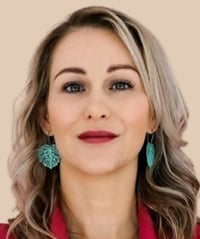 The Aesthetic Shift podcast is for cosmetic practitioners looking to evolve, diversify, and future-proof their aesthetic practice. Each episode explores core cosmetic topics to help you broaden your offering and build a more resilient practice!
Host Kelly Beasy is a Nurse Practitioner, clinic owner, and cosmetic medicine trainer at KB Aesthetix with 20 years of nursing experience and 10+ years’ experience in the aesthetic industry. She also offers a 1:1 mentorship program for clinicians.
Guest: David Gardner
Solicitor and former AHPRA investigator

David Gardner graduated from the University of Adelaide with a Bachelor of Laws and is admitted to practice in the Supreme Court of South Australia and the High Court of Australia. He initially commenced legal practice in commercial litigation, briefly juggled this with teaching at The University of Adelaide, then moved onto a role with AHPRA as an investigator. He was then promoted to a variety of positions including Senior Inspector for criminal prosecutions in NSW and manager of large investigative teams in SA and Victoria.
A growing concern for how practitioners were dealt with by AHPRA pushed David to return to private practice in early 2019, and start his firm Gardner Legal & Regulatory, with the aim of assisting health practitioners to navigate the regulatory space.
Over a decade in health regulation and dealing with practitioners across Australia has led David to identify an absence in crucial non-clinical CPD topics. His focus is now on filling those gaps in the education available to practitioners, to remove the stress of the unknown and enable them to practice in the best way they can.
Learn more at www.ahpd.com.au
CPD self-submission
You can self-record CPD for this podcast. If you consume educational content on this blog, you can Quick Log CPD hours with the RACGP/ACRRM via the usual self-submission process. You will be asked to reflect on what you have learned, and you will require supporting evidence such as a screenshot. For more information, view the: RACGP CPD guide | ACRRM CPD guide
-1.jpg)
-1.jpg)
.jpg)




.png?width=100&height=100&name=Jules%20Wynyard%20edit%20circle%20(3).png)