

The Aesthetic Shift podcast | Kelly Beasy and Dr Raj Selvarajan discuss evidence-based hair loss diagnosis, early intervention & ethical treatment options.
.jpg)
HealthCert Education
Hair loss is one of those presentations that sits at the intersection of medicine, psychology and aesthetics. Patients are often distressed, have tried multiple over-the-counter solutions, and arrive frustrated after spending significant time and money with little result. For clinicians, it can feel deceptively simple on the surface, yet complex once you start to unpack the causes.
In this episode of HealthCert's The Aesthetic Shift podcast series, Kelly Beasy is joined by specialist GP Dr Raj Selvarajan to explore hair loss from a clinical, evidence-based perspective. The conversation moves beyond cosmetic quick fixes and focuses on diagnosis, timing and ethical management.
Hair loss is not a single diagnosis. While androgenetic alopecia is most common in both men and women, clinicians must also consider telogen effluvium, alopecia areata, scarring alopecias, and systemic causes such as iron deficiency, thyroid disease and hormonal change, particularly around menopause.
In the episode, Dr Selvarajan highlights the importance of thorough history taking. Duration, shedding pattern and associated symptoms guide diagnosis, supported by examination, dermoscopy and targeted investigations. Hair loss is often a sign of an underlying issue rather than the primary problem.
Early intervention matters. Once follicles are permanently lost, treatment options narrow. Timely assessment allows clinicians to preserve follicles and support regrowth, rather than offering reassurance alone.
Treatment is best approached stepwise, starting with lifestyle and nutritional optimisation, then progressing to topical or oral therapies and adjunctive options such as PRP. Hair transplantation is reserved for selected cases and still requires ongoing medical care.
The episode also underscores the ethical responsibility to counter unrealistic marketing claims with honest, evidence-based guidance, helping patients form realistic expectations and achieve sustainable outcomes.
For clinicians interested in expanding their scope into hair loss management, this episode offers a grounded overview of how to approach assessment and treatment in a medically sound way. It also reinforces a broader point: hair loss care is not about selling solutions, but about understanding the patient in front of you and treating the whole picture.
Listen to the full episode below to hear the complete conversation between Kelly Beasy and Dr Selvarajan, including insights you can apply in everyday clinical practice.
Listen to the podcast: Part 1
Prefer a visual format? Watch these podcasts on the HealthCert Education YouTube channel.
Next steps in your learning journey
🎓 New Certificate Courses in Medical Trichology coming soon!
Be among the first to access the new HealthCert Education online certificate pathway designed to equip you with practical skills and clinical confidence in diagnosing and managing hair and scalp disorders.
🎁 Register your interest now and save $200 upon launch.
➡️ Register interest >
🎓 Micro-Courses in Aesthetic Medicine
Explore short, bite-sized CPD modules in focused topics in cosmetic medicine for GPs and nurses. Complete in less than 10 hours.
➡️ Browse Micro-Courses >
🎓 Certificate Courses in Aesthetic Medicine
Explore our university-assured, structured Professional Diploma pathway to elevate your skills in primary care cosmetic medicine.
➡️ Explore full program >
Explore more educational content in Aesthetic Medicine.
Podcast playlist
Listen to all episodes in The Aesthetic Shift series.
The Aesthetic Shift series
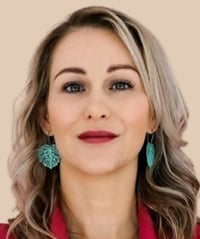 The Aesthetic Shift podcast is for cosmetic practitioners looking to evolve, diversify, and future-proof their aesthetic practice. Each episode explores core cosmetic topics to help you broaden your offering and build a more resilient practice!
Host Kelly Beasy is a Nurse Practitioner, clinic owner, and cosmetic medicine trainer at KB Aesthetix with 20 years of nursing experience and 10+ years’ experience in the aesthetic industry. She also offers a 1:1 mentorship program for clinicians.
Guest: Dr Raj Selvarajan
 Dr Raj Selvarajan is a Specialist General Practitioner with extensive experience across primary care, men’s health, skin cancer medicine, and aesthetic medicine. Over the years, he has built a reputation for delivering practical, patient-centred care while developing several successful clinical services in Queensland. His interest in aesthetic medicine began with a focus on evidence-based treatments that genuinely improve confidence and quality of life. This naturally led him into the world of hair loss assessment and management — an area where he saw many patients struggling with misinformation, high-cost commercial clinics, and a lack of medical guidance. Driven to change this, Dr Selvarajan undertook advanced training in hair restoration, PRP/PRF therapy, and surgical techniques, refining a model of care that is accessible, ethical, and grounded in science. His work in hair loss has since shaped the growth of his aesthetic and procedural services, from community-based cosmetic clinics to his dedicated Brisbane Hair Transplant Clinic. Across his professional roles, Dr Selvarajan remains committed to education, innovation, and empowering patients with honest, medically guided options, ensuring they receive safe, effective, and personalised treatment plans.
Learn more at www.brisbanehairtransplant.com.au and www.bemedicalcentre.com.au
CPD self-submission
You can self-record CPD for this podcast. If you consume educational content on this blog, you can Quick Log CPD hours with the RACGP/ACRRM via the usual self-submission process. You will be asked to reflect on what you have learned, and you will require supporting evidence such as a screenshot. For more information, view the: RACGP CPD guide | ACRRM CPD guide

-1.jpg)
-1.jpg)




.png?width=100&height=100&name=Jules%20Wynyard%20edit%20circle%20(3).png)