


Excision is routine work in primary care, but deciding who should wield the scalpel isn’t always...
Learn how to manage common and complex mental health presentations across primary care.

This advanced mental health course for GPs will equip you with the skills to confidently assess and manage a broad range of mental health presentations in general practice — from neurodevelopmental conditions and psychotic illness to dementia, medication prescribing, and mental health emergencies.
- Covers dementia, schizophrenia, delusions, autism, ADHD, S4 medications, and emergency mental health.
- Delivered by GPs with a special interest in mental health and reviewed by mental health professionals.
- This course is for medical doctors and International Medical Graduates.
- CPD-accredited and university-reviewed.
Fulfils 50 hrs for medical professionals in Australia*
100% online
$2095
Special rates available
86 hrs
Self-paced
*provided an outcome measurement activity with a minimum of 5 hours is completed.

- Build confidence diagnosing and managing complex mental health presentations seen in general practice.
- Learn to assess risk, manage acute mental health emergencies, and respond safely to suicidality, acute psychosis, and distressed patients.
- Safely prescribe S4 medications for mental health.
- Strengthen long-term, whole-person care for patients with chronic mental illness and cognitive disorders.
- Learn communication strategies to enhance rapport, adherence, shared decision-making, and patient outcomes in challenging mental health consultations.
This module focuses on applying effective communication strategies in general practice consultations. It outlines the importance of history-taking and includes management plan strategies in order to maximise the patient’s understanding, compliance and satisfaction. The ten steps include preparation for the consult, connection or re-connection, information gathering on history and examination, responding to patient’s thoughts, feelings and expectations, formulation of a diagnosis and treatment plan, patient education, managing behaviour change, closing the consult and preparation for next consult. Diagrams and references are used to assist with learning.
This module focusses on Autism Spectrum Disorder (ASD). ASD is introduced as an umbrella term for a range of pervasive developmental disorders. ASD is a condition that affects how a person thinks, feels, interacts with others and experiences their environment. Definitions, causes and misunderstandings are discussed. The epidemiology and health burden of ASD are outlined before discussing the characteristics, signs, symptoms, red flag behaviours and diagnosis criteria. The GP role in detection, screening tools, diagnosis and working with the family as well as the patient are mentioned. GPs need to be prepared to educate and support families, as caring for a child with ASD is often emotionally exhausting. Comorbid conditions, genetic tests and physical health issues of patients with ASD are covered. Content includes the three levels and prognosis of ASD. Common interventions include behavioural, developmental, family-based and other options that may be considered. Treatment programs specifically tailored to individual needs usually include a multidisciplinary team focus.
This module focuses on Attention Deficit Hyperactive Disorder (ADHD). ADHD is a complex neuro-developmental disorder that begins in early childhood and affects a person’s ability to exert age-appropriate self-control. It is characterised by persistent patterns of inattentive, impulsive, sometimes hyperactive behaviour and is frequently accompanied by emotional regulation challenges. Environmental, genetic and myths of ADHD are discussed including positive and negative characteristics of this disorder. The epidemiology and health burden of ADHD are outlined before discussing the three types of symptoms in detail: inattentive; hyperactive/impulsive; or a mixture of these characteristics. Diagnostic options are outlined. Pharmaceuticals, psychotherapy, good nutrition and supplements form part of the management plan. The approaches for children, teenagers and adults are discussed in detail. Comorbidities with ADHD are also mentioned. Specifically tailored management plans may incorporate a multidisciplinary team focus and the student’s school.
This module provides GPs with essential knowledge and practical guidance on the safe and effective use of Schedule 4 (S4) medications in mental health care. It explores the TGA scheduling framework, prescribing responsibilities, and common S4 and S4D medicines relevant to general practice. Through case studies on depression, bipolar disorder, anxiety, and PTSD, participants learn to identify adverse effects, manage drug interactions, and assess risks in vulnerable populations such as the elderly. The module highlights clinical governance, medication safety standards, and evidence-based resources for both clinicians and patients. Participants will gain skills to initiate, monitor, and coordinate prescribing with specialists, mitigate side effects, and support adherence. Reflective activities reinforce the role of GPs in promoting safe, compliant, and patient-centred care in mental health using S4 medications.
This module covers schizophrenia, focusing on its diagnosis, management, and the GP’s role. Unit 1 explores its definition, epidemiology, risk factors, and pathogenesis, including biological and psychosocial theories. Unit 2 examines clinical presentation, from premorbid traits and prodromal symptoms to acute and chronic stages, highlighting positive, negative, and cognitive symptoms. Unit 3 discusses management strategies, including early detection, risk assessment, pharmacotherapy, and psychological interventions. Unit 4 addresses physical health issues like metabolic disorders, cardiac risks, and medication side effects, emphasizing lifestyle interventions. Unit 5 highlights the GP’s role in monitoring, treatment compliance, and psychoeducation for patients and families. The module underscores schizophrenia’s chronic impact, stressing integrated care to improve outcomes.
This module explores delusional disorders (DDs), their classification, and management. Unit 1 covers definitions, history, and diagnostic criteria, emphasizing their chronic and monosymptomatic nature. Unit 2 examines epidemiology, risk factors, and clinical features, highlighting their rarity and difficulty in diagnosis. Units 3 and 4 discuss specific subtypes, including erotomanic, jealous, grandiose, persecutory, somatic, and mixed delusions, detailing their unique characteristics and associated behaviors. Unit 5 focuses on management strategies, including antipsychotic therapy, cognitive behavioral therapy, and supportive psychotherapy, stressing the importance of trust and careful documentation. The module underscores DDs’ resistance to treatment and the need for an integrated, long-term approach in primary care.
The aim of this module is to apply a chronic disease management framework for medical practitioners managing patients diagnosed with Alzheimer’s and vascular dementia. Learning includes incorporating a teams-based approach to ongoing patient management. The module commences with dementia statistics in the elderly. The significant role of the GP includes identifying the stages, types, diagnosis and characteristics of this disease. Information on behavioural and psychological symptoms of dementia (BPSD) and testing options are discussed. Content includes cognitive function, pathology, imaging, depression assessment, medication review and function assessment. Non-pharmacological management of BPSD and pharmacotherapy information including potential side effects are discussed. Content includes managing physical co-morbidities, palliative care and advanced care directives.
Management strategies include working with multidisciplinary teams and family and carers. The module concludes with comprehensive information on genetics and dementia risks, and what factors may contribute to the prevention of dementia.
This module examines the GP’s role in emergency mental health care and appropriate actions. Acute mental health disorders are increasingly common in Western countries, with patients presenting in both General Practice and Emergency Departments.
Unit 1 covers risk assessments, the ABCD guide, and triage principles. Unit 2 focuses on the formal mental health assessment of acutely unwell patients, addressing GP safety, environmental factors, communication, questioning, observation, examination, medical causes, and calming techniques. Unit 3 explores suicidality and self-harm, outlining suicide risk, self-harm behaviours, and prevention strategies.
Unit 4 discusses the rare but distressing nature of acute psychosis, emphasizing safety, de-escalation, identifying causes, management, and consent capacity. Unit 5 examines Australia’s varying mental health legislation, covering general health acts in emergency settings, involuntary admission criteria, physical restraint, sedation, emergency treatment, and police authority.


Dr Evangelia (Valia) Francis enjoys all aspects of General Practice but is especially interested in skin medicine, women's health and medicine of the elderly.
Originally from the coastal town of Kavala in Greece, Dr Francis is involved in teaching medical students as a Conjoint Lecturer in the Rural Medical School of Port Macquarie as well as teaching registrars. It is a very fulfilling aspect of her work that has been greatly inspired and supported by the senior educators at her practice.
When not at work, Dr Francis tries to fight waves with surf or paddle boards (so far they always win!), is training hard to become the next MasterChef winner, and enjoys reading books and learning new languages.

General practitioner
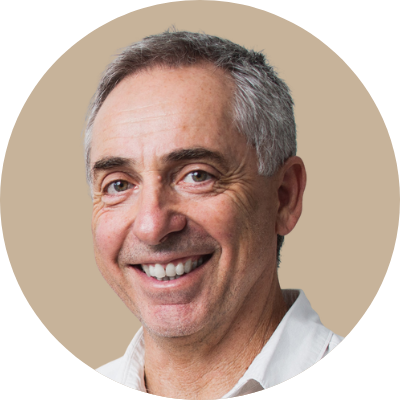
Dr Hilton Koppe is a rural GP in Lennox Head, NSW. He combines his clinical work with an active role in medical education, training new and experienced GPs within the region and around Australia. In 2015 he was a guest at Harvard Medical School as Visiting Professor of Medicine and Humanities.

Medical Educator
Dr Edmond Ng has over 30 years of international clinical practice and has published clinical research in a wide variety of medical fields. Dr Ng has been a Medical Educator-cum-Examiner for National University of Singapore, University of Melbourne, Monash University and Edith Cowan University. He is currently a Medical Educator for the Medical Board of Australia (AHPRA) to provide remedial training and education for doctors in Australia.

$2095
*provided an outcome measurement activity with a minimum of 5 hours is completed.
Bundle two courses and save 5%, or three courses and save 10% upon enrolment.
Talk to us about deferred payment options, registrar scholarships and special rates.
*For Australian residents only: Online course prices are shown exclusive of GST. If you are GST-registered, please enter a valid ABN at checkout to ensure GST is not applied. Otherwise, 10% GST will be added at checkout. View our FAQ for more information.


HealthCert courses have become the standard by which you gauge all others.
Dr K. Abolarinwa
Good courses with excellent speakers. I particularly enjoyed the case study scenarios which helped to integrate the knowledge gained.
Dr A. Tucker
This is the pathway to improve your confidence and evolve into the GP you aspire to be.
Dr S. Shinwari
| RACGP Activity Number | ACRRM Activity Number | Activity Title | Education Hours | Performance Hours | Outcome Hours | ||
|---|---|---|---|---|---|---|---|
| 441312 | 31079 | Communication Skills in General Practice | 441312 | 31079 | 5.5 | 6 | 0 |
| 852878 | 33434 | Autism Spectrum Disorder | 852878 | 33434 | 3.5 | 5 | 0 |
| 852567 | 33431 | Attention Deficit Hyperactive Disorder | 852567 | 33431 | 3.5 | 5 | 0 |
| 1281761 | 38000 | Management of S4 medications for mental health in general practice | 1281761 | 38000 | 3.5 | 6 | 0 |
| 1281474 | 37756 | Schizophrenia | 1281474 | 37756 | 4 | 6 | 0 |
| 1281551 | 37754 | Delusions | 1281551 | 37754 | 3.5 | 6 | 0 |
| 942821 | 34183 | Dementia - Stages and Management | 942821 | 34183 | 4 | 6 | 0 |
| 1281747 | 37755 | Emergency mental health | 1281747 | 37755 | 4 | 6 | 0 |
| 1382116 | 39017 | Autism Spectrum Disorder Outcome Improvement Activity | 1382116 | 39017 | 0 | 0 | 8.5 |
| Total hours | 31.5 | 46 | 8.5 | ||||
View the CPD Hours for all HealthCert Education activities.
The purpose of outcome measurement activities is to improve your clinical confidence in managing an identified learning gap. Outcome measurement activities are not a requirement of our Professional Certificate of Advanced Certificate courses; they are a requirement for Australian CPD purposes.
HealthCert Education provides a variety of outcome measurements activities to suit your needs:
The Advanced Certificate of Mental Health is suitable for physicians and degree-qualified medical practitioners. The prerequisite for this Advanced Certificate course is the successful completion of the HealthCert Professional Certificate of Mental Health (or a qualification deemed equivalent).
Participants do not have to pass an IELTS test but, as the courses are delivered in English, proficiency in listening, reading and writing English is assumed.
Participants will require access to a computer/laptop, an internet connection and a basic level of technology proficiency to access and navigate the online learning portal.
Professionally recognised qualifications and prior studies may be recognised for entry into this course if the learning outcomes match exactly. Please ask a HealthCert Education Advisor for an individual assessment of your prior qualifications and experience.
This certificate course meets the minimum 50 hours CPD annual requirement across all three mandatory CPD activity types, provided an outcome measurement activity with a minimum of five hours is completed. You may use an optional HealthCert outcome measurement activity or develop your own.
Outcome measurement activities are not a requirement of Professional or Advanced Certificates.
Upon successful completion of the course requirements, course participants will receive the Advanced Certificate of Mental Health and CPD hours.
This certificate course:
To learn more about the delivery of certificates in Australia and overseas, please visit our FAQs.
Professional Diploma Pathway
This course is the second stage of the professional diploma pathway. The full pathway is: Professional Certificate of Mental Health, Advanced Certificate of Mental Health, Professional Diploma of Mental Health (coming soon).
Other courses in Mental Health
Learn to develop Mental Health Plans with the Mental Health Training: Core Module, or gain an introduction to PTSD with the Clinical Enhancement Module of Mental Health Skills Training: PTSD – Trauma and Stressor Related Disorders.
Postgraduate pathway for Mental Health
Graduates of the HealthCert Professional Diploma of Mental Health (coming soon) qualify for a scholarship into the Masters of Applied Clinical Psychiatry. These are online course from the UK designed for medical practitioners. Please contact our UK partner directly regarding this scholarship: https://www.diploma-msc.com/s/healthcert
This organisation is an RACGP-accredited CPD provider under the RACGP CPD Program.
Don't see your question? Explore other faqs or talk to us.
Fees will vary based on the program and study option selected (fully online vs online + optional practical workshop). Payments can be made upfront or in monthly instalments. Special rates and various payment options are available. GP registrars and doctors in training enjoy a scholarship of up to $500. Talk to us to learn more.
Completion of any HealthCert course or attendance at an event will enable you to access the HealthCert Alumni Program which includes:
HealthCert Education is pleased to issue digital credentials for alumni. Digital credentials are a permanent online record of your successful completion of a HealthCert course and are issued to all course participants in addition to PDF certificates. If you are based in Australia, you also have the option to order a hard copy of your digital certificate for a small additional fee.
The recommended study duration of this certificate course is 86 hours, which includes study of the pre-course activities and readings, online lectures, live tutorials, and online assessment. This self-paced course offers the flexibility of 100% online study in your own time, at your own pace, in your own home or office, with no mandatory face-to-face requirements. You are not required to be online at specific times but can view and replay video lectures at your convenience.
All HealthCert courses meet World Federation of Medical Education standards. This certificate course qualifies for CPD hours from the Royal Australian College of General Practitioners (RACGP) and the Australian College of Rural and Remote Medicine (ACRRM) in Australia. It is recognised by the Royal New Zealand College of General Practitioners (RNZCGP) in New Zealand. It is recognised by the Hong Kong College of Family Physicians (HKCFP) in China. It is a self-submitted activity in Dubai and the United Kingdom. It is a self-submitted activity through the College of Family Physicians in Canada. If you live or work outside one of the above-mentioned countries, please contact us on admin@healthcert.com to discuss whether this course can be recognised in your country.
Want to stay up-to-date with the latest case studies, podcasts, free video tutorials and medical research articles pertinent to primary care?
Our Education Advisors can assist you with any queries and tailor our education pathway to suit your current expertise, interests and career goals.