

Skip to content
Search icon

Professional Certificate of Melanography

Learn the foundations of primary care skin screening. Designed for Registered Nurses, Nurse Practitioners, and allied health professionals working in specialist skin clinics.

Professional Certificate of Melanography

Delivery

Fully online
Learn from
anywhere

Duration

88 hours
Self-paced
Start anytime

Overview

Learn the foundations of primary care melanography, from identifying common types of benign and malignant skin lesions through to best practice approaches for skin cancer screening and reaching a confident diagnosis.

Your education pathway

Professional Certificate

Establish foundational clinical knowledge and essential skills.

You are here

Advanced Certificate

Develop advanced techniques and diagnostic capabilities.

Learn more

Professional Diploma

Master complex cases and achieve high-level clinical proficiency.

Learn more

Learning outcomes

  • Accurately screen and differentiate skin lesions for referral to a doctor for diagnosis and treatment.

  • Learn to assess commonly encountered skin malignancies, including melanoma, BCC and SCC.

  • Identify pigmented and non-pigmented skin lesions.

  • Confidently identify benign and malignant non-melanocytic lesions and pink lesions in your patients.

  • Understand the Chaos & Clues method for simple lesion assessment and faster diagnoses.

Course contents

The foundations of skin cancer medicine (Nurses)
Enhance your expertise in skin cancer medicine with our comprehensive course, designed to equip you with essential diagnostic and treatment skills for common skin lesions. Starting with foundational knowledge, you'll learn the BEST protocol for identifying benign and suspicious lesions, supported by clinical images and quizzes. Delve into skin cancer risk assessment and the importance of thorough skin checks, complete with practical video demonstrations. Master biopsy techniques with step-by-step guidance and real patient case studies. Our evidence-based, regularly updated course ensures you stay at the forefront of best practices in skin cancer management. Ideal for building your core knowledge and confidence in patient care.
The Big Three: BCC, SCC and Melanoma (Nurses)

The Big Three – BCC, SCC, and Melanoma" is an in-depth course designed for medical professionals to master the diagnosis, treatment, and management of the three most common types of skin cancer: basal cell carcinoma (BCC), squamous cell carcinoma (SCC), and melanoma. Covering dermoscopic features, biopsy techniques, pathology interpretation, and various treatment modalities, the course integrates real-life cases to enhance learning. Participants will gain the skills necessary to deliver evidence-based, patient-centred care for skin cancer management in diverse clinical settings.

An approach to pigmented skin lesions (Nurses)
Master the diagnosis and treatment of pigmented skin lesions with our comprehensive course on skin cancer medicine. Ideal for building foundational knowledge, you'll learn to identify and manage common lesions with confidence. Unit one covers benign lesions such as freckles, seborrheic keratosis, and blue nevi, with detailed clinical and dermoscopic images to aid analysis. Unit two delves into dermoscopy techniques and the 3-point checklist for identifying suspicious lesions, including dysplastic nevi and melanoma. Supported by real case studies, this evidence-based course ensures you stay updated with best practices in skin cancer management, enhancing your diagnostic and treatment skills.
An approach to non-pigmented skin lesions (Nurses)
Enhance your expertise in skin cancer medicine with our course on non-pigmented skin lesions. Gain essential skills to diagnose and treat common lesions confidently. Begin with an in-depth look at solar keratosis and Bowen's disease, supported by clinical and dermoscopic images. Learn about keratoacanthoma and squamous cell carcinoma, including diagnosis and treatment options such as surgery and radiation therapy. Finally, explore basal cell carcinoma, the most common skin cancer, with detailed images and management strategies. This evidence-based, regularly updated course is ideal for building your core knowledge and providing effective patient care.
Chaos and Clues (Nurses)
The "Chaos and Clues Method" course provides healthcare professionals with an advanced approach to dermoscopy for identifying suspicious skin lesions. This course introduces the Chaos and Clues diagnostic algorithm, a proven method for determining whether skin lesions such as melanomas, basal cell carcinomas (BCCs), and squamous cell carcinomas (SCCs) are benign or require further investigation. Participants will learn to apply this method through practical case studies, detailed image analysis, and expert guidance, improving their ability to make accurate and timely diagnoses in clinical practice.
Benign non-melanocytic lesions (Nurses)
"Benign Non-Melanocytic Lesions" is an essential course for healthcare professionals focusing on the use of dermoscopy to identify and manage common benign skin lesions. This course covers key conditions such as seborrheic keratosis, dermatofibroma, vascular tumors, and sebaceous hyperplasia, highlighting diagnostic patterns, morphological variations, and management principles. Presented by A/Prof Iris Zalaudek, this evidence-based course equips participants with the skills to confidently differentiate benign from malignant lesions in clinical practice.
Malignant non-melanocytic lesions (Nurses)
The "Malignant Non-Melanocytic Lesions" course provides medical professionals with essential skills in diagnosing and managing common skin cancers such as basal cell carcinoma and squamous cell carcinoma. Utilising dermatoscopy as a diagnostic tool, the course focuses on recognising key patterns and clues in both pigmented and non-pigmented lesions. Participants will enhance their ability to distinguish between benign and malignant lesions, with a focus on keratinocyte cancers, ensuring accurate clinical decisions in dermatology and general practice.
Dermoscopy for pink lesions (Nurses)
Dermoscopy for Pink Lesions is an advanced dermatology course designed to enhance diagnostic accuracy for non-pigmented skin tumours. This comprehensive program focuses on identifying melanocytic and non-melanocytic lesions using dermoscopic vascular patterns, specific arrangements, and clinical clues. Participants will explore a structured four-step approach to analysing pink lesions, supported by practical insights and management rules to avoid missing amelanotic melanoma. This course is ideal for healthcare professionals seeking to refine their dermoscopic skills in assessing challenging skin lesions.
Skin imaging techniques (Nurses)
"Skin Imaging Techniques" is a specialized course designed for healthcare professionals to enhance their understanding of modern skin imaging technologies used for detecting melanoma and non-melanoma skin cancers. The course covers a range of techniques, including digital dermatoscopy, total body photography, reflectance confocal microscopy, and more experimental methods like optical coherence tomography. Participants will gain insights into the clinical applications, evidence, and cost-effectiveness of each technique, empowering them to make informed decisions about patient diagnosis, referral, and treatment options. This course is essential for professionals involved in skin cancer detection and management.

Meet your instructors

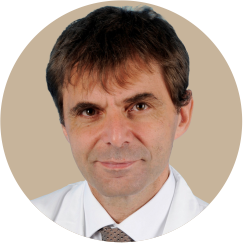
Professor David Wilkinson Professor David Wilkinson MBChB PhD DSc FRACGP Professor David Wilkinson

Chief Medical Officer, National Skin Cancer Centres

Professor David Wilkinson is a registered general practitioner and public health medicine expert. Prior to taking up the role as Chief Medical Officer with National Skin Cancer Centres, he was Deputy Vice-Chancellor of the Macquarie University, Sydney for eight years, and before that was Dean of Medicine at The University of Queensland for nine years.

Since 2004, David’s clinical work has focused on skin cancer medicine in primary care. He has published research papers on the topic, designed and led development of the only Master of Medicine degree in skin cancer, and helped develop and present a suite of skin cancer short courses delivered by HealthCert. He has taught almost 7,000 GPs the basics of skin cancer medicine in primary care.
Dr Hamilton Ayres Dr Hamilton Ayres BA BSc BMBS FRACGP Dr Hamilton Ayres

Doctor, National Skin Cancer Centres, Berwick

Dr Hamilton Ayres worked in Adelaide as a Plastic Surgery Registrar at Flinders, Repatriation General Hospital and the Royal Adelaide Hospital where his main role was the management of trauma, hand injuries and difficult skin cancers. Hamilton has obtained a Fellowship of the Royal Australian College of General Practitioners and Certificates in Skin Cancer Medicine, Dermatoscopy and Histopathology from HealthCert and The University of Queensland School of Medicine.

Professor David Wilkinson Professor David Wilkinson MBChB PhD DSc FRACGP Professor David Wilkinson

Chief Medical Officer, National Skin Cancer Centres

Professor David Wilkinson is a registered general practitioner and public health medicine expert. Prior to taking up the role as Chief Medical Officer with National Skin Cancer Centres, he was Deputy Vice-Chancellor of the Macquarie University, Sydney for eight years, and before that was Dean of Medicine at The University of Queensland for nine years.

Since 2004, David’s clinical work has focused on skin cancer medicine in primary care. He has published research papers on the topic, designed and led development of the only Master of Medicine degree in skin cancer, and helped develop and present a suite of skin cancer short courses delivered by HealthCert. He has taught almost 7,000 GPs the basics of skin cancer medicine in primary care.

Professor David Wilkinson Professor David Wilkinson MBChB PhD DSc FRACGP Professor David Wilkinson

Chief Medical Officer, National Skin Cancer Centres

Professor David Wilkinson is a registered general practitioner and public health medicine expert. Prior to taking up the role as Chief Medical Officer with National Skin Cancer Centres, he was Deputy Vice-Chancellor of the Macquarie University, Sydney for eight years, and before that was Dean of Medicine at The University of Queensland for nine years.

Since 2004, David’s clinical work has focused on skin cancer medicine in primary care. He has published research papers on the topic, designed and led development of the only Master of Medicine degree in skin cancer, and helped develop and present a suite of skin cancer short courses delivered by HealthCert. He has taught almost 7,000 GPs the basics of skin cancer medicine in primary care.

Professor Cliff Rosendahl Professor Cliff Rosendahl MBBS PhD Professor Cliff Rosendahl

Professor and Course Coordinator MMed (Skin Cancer) Program School of Medicine, The University of Queensland, Australia

Professor Cliff Rosendahl currently works in Brisbane as a primary care practitioner with a special interest in skin cancer. He also has an interest in research as the clinical developer and Director of the Skin Cancer Audit Research Database (SCARD). His other main area of research has been in evaluating dermatoscopic clues and artificial intelligence for the diagnosis of  skin malignancy in collaboration with colleagues at the Medical University of Vienna, Austria.

Prof Rosendahl has published over 70 articles in peer-reviewed journals and authored/co- authored two textbooks. He has a busy schedule presenting to GPs in Australia and to GPs and dermatologists internationally.

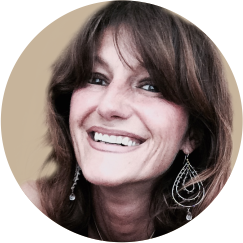
Assoc. Professor Iris Zalaudek Assoc. Professor Iris Zalaudek MD PhD Assoc. Professor Iris Zalaudek

Head of the Dermatology Clinic of the University of Trieste, Italy

Associate Professor Iris Zalaudek is a board-certified dermatologist and Head of the Dermatology Clinic of the University of Trieste, Italy. Since 2016, she has been President of the International Dermoscopy Society, and was previously the Research Director of the Non-Melanoma Skin Cancer Unit at the Medical University of Graz, Austria.

Her main research fields are related to dermato-oncology and include non-invasive skin imaging techniques, as well as topical and systemic treatment of skin cancer. Moreover, she is engaged in the development of modern teaching methods such as online distant courses and tele-dermatologic services. She is Director of the Master of Science program entitled "Dermoscopy and Preventive Dermato-Oncology" of the Medical University of Graz, Austria.

Iris has published more than 450 articles, of which 358 (267 full papers) have been cited in PubMed. Her combined publications have received an impact factor of 1003 and a h-index value of 36 (by April 2017). In 2003 her work was awarded by the Hans-Weitgasser Price from the Styrian Association of Dermatologists and in 2008 she was awarded the Best Researcher of the Medical University of Graz, Austria.

Professor Harald Kittler Professor Harald Kittler MD Professor Harald Kittler

Professor at the Department of Dermatology, Medical University of Vienna, Austria

Professor Harald Kittler has a special clinical interest in dermoscopy of pigmented skin lesions. His main research interest is digital dermoscopy, follow-up of pigmented skin lesions, and computer assisted digital dermoscopy. Harald has been working for 10 years in the field of dermoscopy and has published a number of scientific articles especially in the field of digital dermoscopy and dermoscopic follow-up of melanocytic nevi.

Assoc. Professor Iris Zalaudek Assoc. Professor Iris Zalaudek MD PhD Assoc. Professor Iris Zalaudek

Head of the Dermatology Clinic of the University of Trieste, Italy

Associate Professor Iris Zalaudek is a board-certified dermatologist and Head of the Dermatology Clinic of the University of Trieste, Italy. Since 2016, she has been President of the International Dermoscopy Society, and was previously the Research Director of the Non-Melanoma Skin Cancer Unit at the Medical University of Graz, Austria.

Her main research fields are related to dermato-oncology and include non-invasive skin imaging techniques, as well as topical and systemic treatment of skin cancer. Moreover, she is engaged in the development of modern teaching methods such as online distant courses and tele-dermatologic services. She is Director of the Master of Science program entitled "Dermoscopy and Preventive Dermato-Oncology" of the Medical University of Graz, Austria.

Iris has published more than 450 articles, of which 358 (267 full papers) have been cited in PubMed. Her combined publications have received an impact factor of 1003 and a h-index value of 36 (by April 2017). In 2003 her work was awarded by the Hans-Weitgasser Price from the Styrian Association of Dermatologists and in 2008 she was awarded the Best Researcher of the Medical University of Graz, Austria.

Professor Philipp Tschandl Professor Philipp Tschandl MD PhD Professor Philipp Tschandl

Executive board member of the International Dermoscopy Society, Secretary of the National Dermatopathology Society in Austria, and member of the Fostering Trainee Education Committee of the EADV.

Professor Philipp Tschandl graduated from the Medical University of Vienna where he also obtained his PhD degree. His main research field is skin cancer, especially its early diagnosis through dermatoscopy, and the teaching of that method. He is an executive board member of the International Dermoscopy Society, secretary of the National Dermatopathology Society in Austria, and member of the Fostering Trainee Education Committee of the EADV.

Philipp is teaching dermatology in the core curricula of Human and Dental Medicine, lectures continuously on dermatoscopy at national and international meetings and workshops, and co-organised the 4th World Congress of Dermoscopy 2015 in Vienna. He has published more than 30 peer-reviewed scientific articles and is co-author of a major dermatoscopy textbook which has been translated into multiple languages.

Other ways to study this topic

Workshop

Complete your certificate online, then build practical skills in the accompanying optional hands-on workshop.

View workshop dates

Short courses

Study selected topics from this certificate as focused, standalone short courses for targeted upskilling in under 10 hours. 

Browse short courses

HealthCert 365

Access selected content from this certificate, plus 4,000+ hours of other CPD across a wide range of clinical areas.

Start free trial

CPD accreditation and course details

CPD Accreditation and Activities
Activity Title Nurse Education Hours
The foundations of skin cancer medicine (Nurses) 4.0
The Big Three: BCC, SCC and Melanoma (Nurses) 5.0
An approach to pigmented skin lesions (Nurses) 5.0
An approach to non-pigmented skin lesions (Nurses) 4.0
Chaos and Clues (Nurses) 6.0
Benign non-melanocytic lesions (Nurses) 4.0
Malignant non-melanocytic lesions (Nurses) 5.5
Dermoscopy for pink lesions (Nurses) 5.0
Skin imaging techniques (Nurses) 5.0
Total hours 43.5
Entry Requirements

HealthCert Education offers courses suitable for allied health professionals and all nurses, including Enrolled Nurses, Registered Nurses, and Nurse Practitioners. Please read the course description carefully to select a course that is right for your nursing role.

The Professional Certificate of Melanography is suitable for allied health professionals, Registered Nurses, and Nurse Practitioners who work in specialist skin clinics and who are interested in primary care dermoscopy for the screening of skin conditions commonly seen in day-to-day primary care.

There are no prerequisites for this course and no other previous formal training is required.

Participants do not have to pass an IELTS test but, as the courses are delivered in English, proficiency in listening, reading and writing English is assumed.

Participants will require access to a computer/laptop, an internet connection and a basic level of technology proficiency to access and navigate the online learning portal.

Recognised Prior Learning (RPL)

Professionally recognised qualifications and prior studies may be recognised for entry into this course if the learning outcomes match exactly. Please ask a HealthCert Education Advisor for an individual assessment of your prior qualifications and experience.

Certification

Upon successful completion of this course, you will receive the Professional Certificate of Melanography in recognition of your skills.

This certificate course:

  • Is recognised by the International Dermoscopy Society. Membership is worldwide and more than 100 countries are represented.

  • Meets World Federation of Medical Education standards.

  • Has been independently developed with subject experts and does not receive education grants from any pharmaceutical company.

Pathways

Professional Diploma pathway

This course is the first stage of the three-part professional diploma pathway. The full pathway is Professional Certificate of Melanography, Advanced Certificate of Melanography, and Professional Diploma of Melanography.

Clinical attachment in melanography, Burpengary

For nurses nearing completion of the pathway, a Clinical Attachment in Melanography will help you bridge the gap between theory and real-world clinical experience. This supervised 3- or 5-day placement in Burpengary (QLD) allows you to observe and assist experienced clinicians in a dedicated skin cancer clinic, gaining exposure to skin examinations, dermoscopy and imaging workflows, lesion triage, and patient communication. Learn more about the clinical attachment in melanography for nurses.

Clinical trials for melanography 

There are many clinical trials in Australia and overseas relating to skin cancer. To follow or join a clinical trial in Australia, please search here.

University quality-assured and CPD-accredited education provider

This organisation is an RACGP-accredited CPD provider under the RACGP CPD Program.

RACGP logo
ACRRM logo
AMA
Bond-Sep-09-2026-05-46-43-7981-AM
Griffith
IDS-1
Graz
Vienna
University of South Wales
Torrens
NSCC-2
Rila
UQ logo

Frequently asked questions

What are the costs and payment options of the course?

Fees will vary based on the program and study option selected (fully online vs online + optional practical workshop). Payments can be made upfront or in monthly instalments. Special rates and various payment options are available. GP registrars and doctors in training enjoy a scholarship of up to $500. Talk to us to learn more.

What is the Alumni Support Program?

Completion of any HealthCert course or attendance at an event will enable you to access the HealthCert Alumni Program which includes:

  • Access to special alumni rates for new courses when they are released.

  • Special alumni price for HealthCert Conferences.

  • Exclusive advanced access to HealthCert events.

  • Regular Alumni Webinars pertaining to the course(s) you have attended. These will provide content review of the course and an opportunity to discuss case studies.

  • Access to the video lectures as seen during the course(s) that you have attended.

How will I receive my certificate?

HealthCert Education is pleased to issue digital credentials for alumni. Digital credentials are a permanent online record of your successful completion of a HealthCert course and are issued to all course participants in addition to PDF certificates. If you are based in Australia, you also have the option to order a hard copy of your digital certificate for a small additional fee.

How long will the course take to complete?

The recommended study duration of this certificate course is listed at the top of this page. The estimated duration includes study of the pre-course activities and readings, online lectures, live tutorials, and online assessment. This self-paced course offers the flexibility of 100% online study in your own time, at your own pace, in your own home or office, with no mandatory face-to-face requirements. You are not required to be online at specific times but can view and replay video lectures at your convenience.

Is this course recognised in my country?

All HealthCert courses meet World Federation of Medical Education standards. This certificate course qualifies for CPD hours from the Royal Australian College of General Practitioners (RACGP) and the Australian College of Rural and Remote Medicine (ACRRM) in Australia. It is recognised by the Royal New Zealand College of General Practitioners (RNZCGP) in New Zealand. It is recognised by the Hong Kong College of Family Physicians (HKCFP) in China. It is a self-submitted activity in Dubai and the United Kingdom. It is a self-submitted activity through the College of Family Physicians in Canada. If you live or work outside one of the above-mentioned countries, please contact us on admin@healthcert.com to discuss whether this course can be recognised in your country.

Cancellation policy: What happens if I can't attend a practical workshop?

Course/workshop cancellations and transfers policy

Should you be unable to attend a course or practical workshop you have registered for, please inform us asap at admin@healthcert.com so we can make your place available to waitlisted doctors.

Charges may apply for course/workshop cancellations and/or transfers. Click here for details.

What our alumni say

Join thousands of doctors who have advanced their clinical practice with our certificate courses.

Get in touch with us

Our Education Advisors can assist you with any queries and tailor your education pathway to suit your current expertise, interests and career goals.

Richard - 1

Richard Silsby

Campbel Elton

Campbell Elton

Loretta Blackborough-1

Loretta Blackborough

Adam De Barros__1

Adam De Barros

Jules Wynyard edit circle (1)

Jules Wynyard