
Dr Dianne King
B.MedSci MBBS DCH DRANZCOG FRACGP DPD MMed (Skin Cancer) Dip. Aesthetic Medicine (AAAM)
Professional Certificate of Aesthetic Medicine for Nurses
Build a strong foundation in aesthetic medicine tailored to nursing practice, with a focus on safety, patient assessment, and real-world clinical application.
Delivery
Fully online or
with practical
workshop
Duration
133 hours
Self-paced
Start anytime
Overview
Aesthetic medicine is a rapidly growing area of practice, with increasing patient demand for safe, evidence-based treatments delivered by qualified clinicians. With the right training, nurses can play a key role in providing high-quality aesthetic care in clinical settings. This course is designed to give you the foundational knowledge and clinical framework required to safely assess, plan, and support aesthetic treatments.
Who it is for and what you will learn:
Focus on practical application, patient safety, and professional decision-making, and build confidence in everyday clinical scenarios.
Ideal foundation course for nurse practitioners and degree-qualified, AHPRA-registered nurses with little knowledge in aesthetic medicine.
Reviewed by Griffith University to comply with APNA endorsement standards.
The individual modules in this certificate have been endorsed by APNA according to approved quality standards criteria.
Registered Nurses have provided documentation on Scope of Practice for nurses to facilitate their CPD in this field.
Learning outcomes
Build a solid foundation in aesthetic medicine tailored to nursing practice
Strengthen patient assessment and clinical decision-making skills
Develop a clear understanding of facial anatomy and skin ageing
Learn how to support safe, effective treatment planning
Recognise and manage common aesthetic presentations and complications
Apply evidence-based principles in everyday clinical scenarios
Gain confidence working within safe, compliant clinical frameworks
Prepare to play an active role in delivering high-quality aesthetic care
Course contents
Introduction to Aesthetic Medicine
The Introduction to Aesthetic Medicine course provides medical professionals with a comprehensive foundation in the principles and practice of aesthetic medicine within a clinical setting. Designed for primary care practitioners and clinicians interested in cosmetic medicine, the course explores the science of facial ageing, patient assessment, and evidence-based treatment planning. Participants will learn how to conduct effective aesthetic consultations, recognise common aesthetic concerns, and develop safe, patient-centred treatment strategies. Through practical demonstrations, role-play consultations, and clinical explanations, this course equips practitioners with the knowledge required to confidently begin integrating aesthetic medicine into clinical practice.
Preparatory unit: Skin aging principles
Skin Aging Principles provides medical professionals with a comprehensive introduction to the biological processes that influence skin aging and the clinical approaches used to assess and manage these changes. The course explores the structural and functional changes that occur in aging skin, including pigmentation disorders, hydration changes, and loss of dermal integrity. Participants learn how to evaluate aging skin using recognized assessment systems and diagnostic tools, and how to develop appropriate treatment strategies. Through clinical examples and practical frameworks, the course equips practitioners with the knowledge required to assess skin aging and design safe, evidence-based treatment plans.
Facial anatomy and planning safe treatments
This course provides a comprehensive introduction to facial anatomy and its critical role in planning safe and effective aesthetic treatments. Participants will develop an understanding of the anatomical structures of the face and neck, including surface landmarks, aesthetic sub-units, nerves, blood vessels, musculature, and fat compartments. The course emphasizes how anatomical knowledge guides treatment planning, helps minimize complications, and improves clinical outcomes. Through detailed explanations and clinical demonstrations, practitioners will learn how to identify key danger zones, understand nerve blocks and anesthesia techniques, and apply anatomical principles to aesthetic procedures with greater confidence and safety.
Introduction to chemical peels
This course provides a comprehensive introduction to chemical peels and their role in aesthetic medicine. Participants will learn how chemical peels improve skin texture, tone, and pigmentation through controlled exfoliation and stimulation of the skin’s natural healing processes. The course explores the science behind chemical peeling, including skin anatomy, wound healing, and the classification of peel types. Clinicians will also gain practical knowledge on patient selection, treatment planning, potential complications, and safe application techniques. By understanding both theory and clinical practice, practitioners can confidently incorporate chemical peels into aesthetic treatments to address a range of common skin concerns.
Introduction to Botulinum toxin
This course provides a comprehensive introduction to the safe and effective use of botulinum toxin in aesthetic practice. Designed for practitioners beginning their journey in cosmetic injectables, it explores the science, pharmacology and clinical application of botulinum toxin treatments. Through detailed explanations and practical demonstrations, the course covers facial anatomy, patient assessment, treatment planning, injection techniques and complication awareness. Learners will gain an understanding of how botulinum toxin works, where it can be used safely, and how to achieve natural-looking aesthetic outcomes. By the end of the course, practitioners will have a strong theoretical foundation to support safe clinical practice and further hands-on training.
Introduction to dermal fillers
This course introduces the fundamental principles of dermal fillers and the rheological properties that influence how fillers behave within the skin. Designed for practitioners beginning aesthetic medicine, it explains how dermal fillers restore volume, soften lines and improve facial balance. The course explores different filler types, patient assessment and treatment planning, as well as the science behind filler properties such as viscosity, cohesivity and lifting capacity. Learners will gain an understanding of safe product selection, clinical indications and potential complications. By the end of the course, practitioners will have a solid theoretical foundation to support safe and effective dermal filler treatments.
Introduction to dermal filler techniques
This course introduces the practical techniques used in dermal filler treatments and provides clinicians with the knowledge required to perform procedures safely and effectively. It explores the complete treatment process, including patient assessment, informed consent, clinical photography, anesthesia options and post-treatment care. Participants learn about different injection approaches such as threading, serial puncture, fanning and bolus techniques, as well as when to use needles or cannulas. The course also demonstrates practical applications for lip enhancement, perioral rejuvenation and midface treatments. By the end of the course, practitioners will understand how to apply foundational dermal filler techniques in clinical practice.
Complications including relevant anatomy in Aesthetic Medicine
This course provides a comprehensive overview of complications in aesthetic medicine and the anatomical knowledge required to prevent and manage them safely. It explores complications associated with injectable treatments including botulinum toxin, dermal fillers and deoxycholic acid. Participants learn to recognise early warning signs, understand underlying anatomical risks and implement evidence-based management strategies. The course also covers general medical complications that may occur during procedures, such as syncope, seizures and anaphylaxis. By strengthening clinical decision-making and safety awareness, this course helps practitioners minimize risk and confidently manage complications in aesthetic practice.
Aesthetic Nursing - Best Practice and Compliance
Aesthetic Nursing: Best Practice and Compliance provides nurses with the essential legal, ethical, and professional foundations required to practise safely in aesthetic medicine. This course explores the regulatory framework governing cosmetic procedures, including AHPRA advertising guidelines, TGA restrictions on Schedule 4 medicines, and state-based Medicines and Poisons legislation. Participants will learn how to maintain compliance in marketing, prescribing, medication governance, and clinical documentation. The course also examines scope of practice, delegation, and supervision within aesthetic nursing roles. Designed for nurses entering or working in the cosmetic field, this course supports safe, accountable, and compliant clinical practice while protecting patient wellbeing and professional registration.
Meet your instructors
Dr Dianne King
B.MedSci MBBS DCH DRANZCOG FRACGP DPD MMed (Skin Cancer) Dip. Aesthetic Medicine (AAAM)

Dr Jenny Kimmins
MBBS FRACGP Dip. Derm

Dr Chris Clifopoulos
MBBS MMed GDEB
Dr Isabelle Jonsson-Lear
MB Ch B FRACGP FACRRM FACSCM FSCCA
Dr Jenny Kimmins
MBBS FRACGP Dip. Derm
Dr Jenny Kimmins
MBBS FRACGP Dip. Derm
Dr Jenny Kimmins
MBBS FRACGP Dip. Derm
Dr Jenny Kimmins
MBBS FRACGP Dip. Derm
Other ways to study this topic
Workshop
Complete your certificate online, then build practical skills in the accompanying optional hands-on workshop.
View workshop datesShort courses
Study selected topics from this certificate as focused, standalone short courses for targeted upskilling in under 10 hours.
Browse short coursesHealthCert 365
Access selected content from this certificate, plus 4,000+ hours of other CPD across a wide range of clinical areas.
Start free trialCPD accreditation and course details
CPD Accreditation and Activities
CPD endorsement
The individual modules in this certificate have been endorsed by APNA according to approved quality standards criteria.
| APNA Activity Number | Activity Title | Nurse Education Hours |
|---|---|---|
| C21664 | Introduction to Aesthetic Medicine | 5.0 |
| C21665 | Preparatory unit: Skin aging principles | 5.5 |
| C21666 | Facial anatomy and planning safe treatments | 6.0 |
| C21667 | Introduction to chemical peels | 4.5 |
| C21668 | Introduction to Botulinum toxin | 6.5 |
| C21669 | Introduction to dermal fillers | 5.0 |
| C21670 | Introduction to dermal filler techniques | 5.5 |
| C21671 | Complications including relevant anatomy in Aesthetic Medicine | 5.5 |
| C21672 | Aesthetic Nursing - Best Practice and Compliance | 5.5 |
| Total hours | 49.0 | |
Entry Requirements
HealthCert Education offers courses suitable for allied health professionals and all nurses, including Enrolled Nurses, Registered Nurses, and Nurse Practitioners. Please read the course description carefully to select a course that is right for your nursing role.
The Professional Certificate of Aesthetic Medicine for Nurses is suitable for nurse practitioners and degree-qualified nurses registered with AHPRA.
There are no prerequisites for this course and no other previous formal training is required.
Participants do not have to pass an IELTS test but, as the courses are delivered in English, proficiency in listening, reading and writing English is assumed.
Participants will require access to a computer/laptop, an internet connection and a basic level of technology proficiency to access and navigate the online learning portal.
Recognised Prior Learning (RPL)
Professionally recognised qualifications and prior studies may be recognised for entry into this course if the learning outcomes match exactly. Please ask a HealthCert Education Advisor for an individual assessment of your prior qualifications and experience.
Certification
Upon successful completion of this course, you will receive the Professional Certificate of Aesthetic Medicine for Nurses and CPD endorsement.
This certificate course:
Is reviewed by Griffith University to comply with APNA endorsement standards.
Contains eight modules which are each individually endorsed by APNA according to quality standards criteria.
Meets World Federation of Medical Education standards.
Has been independently developed with subject experts and does not receive education grants from any pharmaceutical company.
Pathways
Personalised 1:1 Aesthetics Mentoring with Kelly Beasy
If you have completed Aesthetic Medicine training with HealthCert Education and want to strengthen your skills in injectables, personalised hands-on mentoring with Nurse Practitioner Kelly Beasy is the ideal next step to refine your technique, boost your confidence, and reinforce safe practice.
Receive personalised one-on-one mentoring tailored to your experience level and learning pace — beginner friendly and fully customised.
University quality-assured and CPD-accredited education provider
This organisation is an RACGP-accredited CPD provider under the RACGP CPD Program.
Frequently asked questions
What are the costs and payment options of the course?
Fees will vary based on the program and study option selected (fully online vs online + optional practical workshop). Payments can be made upfront or in monthly instalments. Special rates and various payment options are available. GP registrars and doctors in training enjoy a scholarship of up to $500. Talk to us to learn more.
What is the Alumni Support Program?
Completion of any HealthCert course or attendance at an event will enable you to access the HealthCert Alumni Program which includes:
-
Access to special alumni rates for new courses when they are released.
-
Special alumni price for HealthCert Conferences.
-
Exclusive advanced access to HealthCert events.
-
Regular Alumni Webinars pertaining to the course(s) you have attended. These will provide content review of the course and an opportunity to discuss case studies.
-
Access to the video lectures as seen during the course(s) that you have attended.
How will I receive my certificate?
HealthCert Education is pleased to issue digital credentials for alumni. Digital credentials are a permanent online record of your successful completion of a HealthCert course and are issued to all course participants in addition to PDF certificates. If you are based in Australia, you also have the option to order a hard copy of your digital certificate for a small additional fee.
How long will the course take to complete?
The recommended study duration of this certificate course is listed at the top of this page. The estimated duration includes study of the pre-course activities and readings, online lectures, live tutorials, and online assessment. This self-paced course offers the flexibility of 100% online study in your own time, at your own pace, in your own home or office, with no mandatory face-to-face requirements. You are not required to be online at specific times but can view and replay video lectures at your convenience.
Is this course recognised in my country?
All HealthCert courses meet World Federation of Medical Education standards. This certificate course qualifies for CPD hours from the Royal Australian College of General Practitioners (RACGP) and the Australian College of Rural and Remote Medicine (ACRRM) in Australia. It is recognised by the Royal New Zealand College of General Practitioners (RNZCGP) in New Zealand. It is recognised by the Hong Kong College of Family Physicians (HKCFP) in China. It is a self-submitted activity in Dubai and the United Kingdom. It is a self-submitted activity through the College of Family Physicians in Canada. If you live or work outside one of the above-mentioned countries, please contact us on admin@healthcert.com to discuss whether this course can be recognised in your country.
Cancellation policy: What happens if I can't attend a practical workshop?
Course/workshop cancellations and transfers policy
Should you be unable to attend a course or practical workshop you have registered for, please inform us asap at admin@healthcert.com so we can make your place available to waitlisted doctors.
Charges may apply for course/workshop cancellations and/or transfers. Click here for details.
Related learning
-
Skin checks, total body photography and the role of AI
Prof Luc Thomas shares his insights on where skin checks, total body photography and AI may fit into the future of skin cancer detection.
-
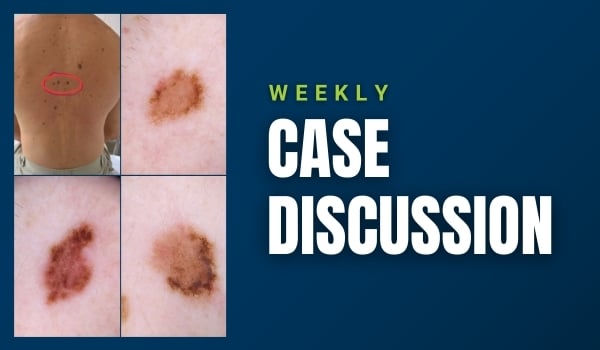
How would you manage these three lesions on the mid-back?
Case discussion: A 49-year-old male with a family history of melanoma presents with three lesions together on his mid-back. Which would you remove and…
-

What is Medicare? Understanding the basics.
Medicare Explained podcast | A/Prof Tony Dicker and Matt Woollard go back to basics to look at what Medicare actually is and how it operates.
-
Navigating perimenopause in general practice
Dr Simone Gonzo shares a case-based discussion of how to recognise, investigate, and individualise perimenopause care in general practice.
-
Beyond ‘normal’: Women’s health symptoms GPs should explore further
Focused Practice Conversations podcast | Matt Woollard and Dr Sneha Wadhwani explore the women’s health presentations often overlooked in general prac…
-
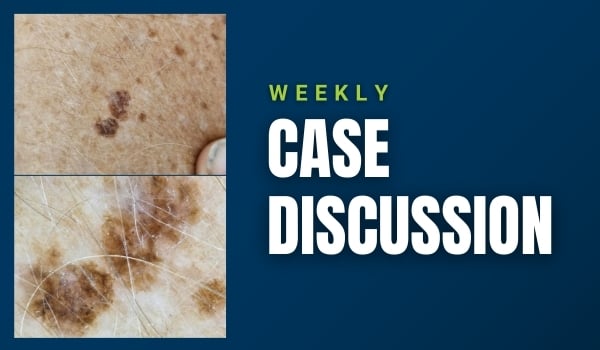
How would you manage this changing pigmented lesion?
Case discussion: A changing pigmented lesion on the forearm of a female patient in her 60s. What would you to next?

What our alumni say
Join thousands of doctors who have advanced their clinical practice with our certificate courses.
"HealthCert courses have become the standard by which you gauge all others."
Dr K. Abolarinwa
"Good, courses with excellent speakers. I particularly enjoyed the case study scenarios which helped to integrate the knowledge gained."
- Dr A. Tucker
"This is the pathway to improve your confidence and evolve into the GP you aspire to be"
- Dr S. Shinwari
Get in touch with us
Our Education Advisors can assist you with any queries and tailor your education pathway to suit your current expertise, interests and career goals.
Go to section


.png?width=100&height=100&name=Jules%20Wynyard%20edit%20circle%20(1).png)