
Skip to content
Search icon

Advanced Certificate of Dermoscopy

Diagnose difficult benign lesions, rare skin tumours, melanoma, BCC, and keratinocyte skin cancers.

Advanced Certificate of Dermoscopy

CPD

32 hrs Education 48 hrs Performance 8.5 hrs Outcome

Delivery

Fully online
Learn from
anywhere

Duration

80 hours
Self-paced
Start anytime

Overview

With teachings from the world’s most influential dermoscopy experts, this course will significantly elevate your knowledge in the management of nail lesions, mucosal lesions, difficult benign lesions, melanomas, pink tumours, rare skin tumours, BCC, and more.

Who it is for and what you will learn:

  • Ideal for practitioners who already use dermoscopy and are interested in advancing their skill set.

  • CPD-accredited and delivered in collaboration with the International Dermoscopy Society.

  • Presented by the world's leading dermoscopy experts including Prof Harald Kittler (Austria), Prof Ashfaq A. Marghoob (USA), A/Prof Iris Zalaudek (Austria), Prof Luc Thomas (France), A/Prof Andreas Blum (Germany), Prof Aimilios Lallas (Greece), and more.

  • This course is for physicians, nurse practitioners, and degree-qualified nurses.

Your education pathway

Professional Certificate

Establish foundational clinical knowledge and essential skills.

Learn more

Professional Certificate

Establish foundational clinical knowledge and essential skills.

Learn more

Advanced Certificate

Develop advanced techniques and diagnostic capabilities.

Learn more

Advanced Certificate

Develop advanced techniques and diagnostic capabilities.

You are here

Advanced Certificate

Develop advanced techniques and diagnostic capabilities.

Learn more

Professional Diploma

Master complex cases and achieve high-level clinical proficiency.

Learn more

Learning outcomes

  • Improve your accuracy in identifying a broad range of skin lesions, including pink tumours, mucosal lesions, and difficult benign lesions.

  • Expertly evaluate nail lesions and detect potential issues early when chances for cure are best. 

  • Learn to detect and manage rare skin tumours to ensure you provide the most comprehensive care.

  • Understand the broad spectrum of BCC and keratinocyte skin cancers for timely detection.

  • Learn how to use dermoscopy for general dermatology cases, improving overall patient care.

Course contents

Dermoscopy for mucosal lesions
Dermoscopy for Mucosal Lesions is an advanced course that introduces healthcare professionals to the specialised field of mucoscopy. The program explores the unique dermoscopic patterns of mucosal lesions, equipping participants to distinguish between benign and malignant conditions across mucosal sites, such as the lips, oral cavity, and genital regions. With a focus on evidence-based practices, the course provides essential tools for accurate diagnosis, early detection of malignancies, and avoidance of unnecessary interventions. Real-world case studies and expert guidance enhance the practical application of this emerging diagnostic tool.
Dermoscopy for difficult benign lesions including naevi with special features
"Dermoscopy for Difficult Benign Lesions Including Nevi with Special Features" is an advanced course designed to enhance diagnostic skills in identifying challenging benign skin lesions that can mimic melanoma. This course provides in-depth insights into identifying melanocytic and non-melanocytic lesions with special features using dermoscopic patterns, algorithms, and advanced diagnostic tools. Through case studies and real-world examples, participants will gain the confidence to distinguish benign conditions from malignancies and make evidence-based decisions in clinical practice.
Dermoscopy for nail lesions
"Dermoscopy for Nail Lesions" is an advanced course designed for healthcare professionals to master the diagnostic evaluation of nail lesions using dermoscopy. This course provides comprehensive training in identifying benign and malignant nail conditions, including melanoma, squamous cell carcinoma, and other nail-unit disorders. Participants will learn to differentiate concerning findings, employ dermoscopic clues, and use clinical algorithms to determine the need for biopsy or conservative management. With expert insights, case studies, and surgical applications, this course equips practitioners with the skills to enhance diagnostic accuracy and improve patient outcomes.
Dermoscopy for rare skin tumours
Dermoscopy for Rare Skin Tumours is a specialised course for healthcare professionals aimed at improving diagnostic accuracy and management of uncommon skin tumours. This program explores the dermoscopic patterns of rare conditions such as Merkel cell carcinoma, angiosarcoma, adnexal tumours, and sebaceous carcinomas. Participants will learn how to recognise dermoscopic clues, differentiate between benign and malignant lesions, and understand the significance of syndromic associations. With expert insights and case-based discussions, this course equips practitioners to navigate complex dermatological challenges using a multidisciplinary approach.
The broad spectrum of BCC and keratinocyte skin cancer
Gain comprehensive knowledge of basal cell carcinoma (BCC) and keratinocyte skin cancers with this in-depth course. Perfect for medical professionals, it explores the spectrum of epithelial skin cancers, including actinic keratosis, Bowen’s disease, keratoacanthoma, and squamous cell carcinoma. Through advanced dermoscopic techniques, extensive clinical imagery, and case studies, this course equips learners to identify common and rare cancer subtypes, avoid diagnostic pitfalls, and apply evidence-based best practices. Led by expert Prof. Harald Kittler, this course is essential for enhancing diagnostic accuracy and improving patient care in dermatology.
Dermoscopy for difficult melanomas
The "Dermoscopy for Difficult Melanomas" course provides in-depth training on identifying and diagnosing melanomas that may lack typical ABCD features. This course focuses on advanced dermoscopic techniques to detect challenging melanomas, such as nodular, desmoplastic, amelanotic, and verrucous types. By enhancing pattern recognition and understanding subtle dermoscopic clues, healthcare professionals will improve diagnostic accuracy and patient outcomes. This evidence-based course is essential for those managing patients at high risk for skin cancer.
Dermoscopy in general dermatology
Explore the invaluable role of dermoscopy beyond skin cancer diagnosis in the "Dermoscopy in General Dermatology" course. Led by Dr. Aimilios Lallas, this program provides an in-depth look at how dermoscopy enhances the diagnosis and management of common inflammatory and infectious skin conditions, such as psoriasis, eczema, lichen planus, and rosacea. Through structured algorithms, detailed case studies, and standardised diagnostic criteria, this course equips healthcare professionals with the tools to integrate dermoscopy into everyday clinical practice, improving diagnostic accuracy and patient outcomes.

Meet your instructors

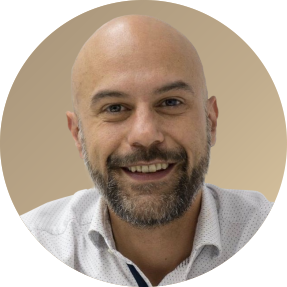
Assoc. Professor Andreas Blum Assoc. Professor Andreas Blum MD PhD MSc(DermPrevOncol) Assoc. Professor Andreas Blum

Public, Private and Teaching Practice, Konstanz, Germany

Associate Professor at the University of Tübingen, Germany

Associate Professor Andreas Blum studied medicine in Germany and France and received his Doctor of Medicine degree in 1993. From 1993 until 2004, he worked in the Department of Dermatology at the University of Tübingen in Germany. In 1998 he finished the specialisation in Dermatology and Venereology. Since 2002 he has been a senior lecture and assistant professor and, since 2006, has been an associate professor at the University of Tübingen. Since 2004 he has worked in his private and teaching practice in Konstanz, Germany.

Andreas is an expert in the diagnosis, surgical treatment, prevention and follow-up of skin cancers. In addition to his clinical research mainly in the field of dermoscopy, he gives regular lectures for national and international dermatological societies.
Assoc. Professor Caterina Longo Assoc. Professor Caterina Longo MD, PhD Assoc. Professor Caterina Longo

Scientific Coordinator, Skin Cancer Unit, ASMN-IRCCS, University of Modena and Reggio Emilia, Italy

Associate Professor Caterina Longo is a board-certified dermatologist specialising in the diagnosis and treatment of skin cancers. Although providing the best care possible for patients remains her primary goal, she also committed to education and clinical research. She is actively involved in clinical research and has published numerous papers on topics related to skin cancer with an emphasis on melanoma, atypical nevi, Spitz/Reed nevi and non-melanoma skin cancer.

Caterina’s research interests are focused on the use of imaging instruments such as dermoscopy and confocal laser microscopy to recognise skin cancer early in its development. She pioneered the use of ex vivo fluorescence confocal microscopy for micrographic Mohs surgery applied for basal cell carcinoma and other visceral tumours. Caterina frequently lectures on these topics both nationally and internationally.

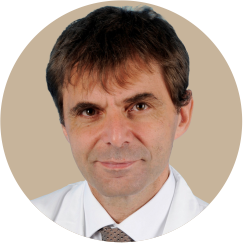
Professor Luc Thomas Professor Luc Thomas MD PhD Professor Luc Thomas

Professor and Chairman Department of Dermatology, Medical University of Lyon, France

Professor Luc Thomas was board-certified in dermatology in 1989 at Lyon 1 University. He was trained as a post-doctoral fellow at Harvard Medical School in 1990 and 1991, and obtained his PhD degree at Lyon 1 University in 1993. He became full professor of dermatology in 1996, first class professor in dermatology in 2009, and Chairman of the Department of Dermatology of Lyon 1 University - Centre Hospitalier Lyon Sud in 2003. He obtained his Board certification in Clinical Oncology in 2013.

Luc’s main research fields include skin oncology, early diagnosis of melanoma, dermoscopy, skin surgery and nail diseases. He has published more than 400 peer-reviewed scientific articles in international journals, is the co-editor of four books published in several languages and co-author of more than 25 books. He has lectured at many international meetings, is an associate editor of Dermatology, a member of the board of the International Dermoscopy Society, a past member of the board and treasurer of the French Society of Dermatology from 2000 to 2003, and treasurer of the World Congress of Dermatology in Paris in 2002.

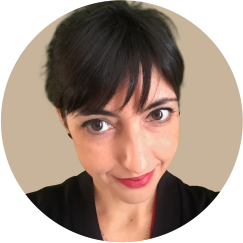
Dr Elvira Moscarella Dr Elvira Moscarella MD Dr Elvira Moscarella

Dermatologist, Santa Maria Nuova Hospital, Reggio Emilia, Italy

Dr Elvira Moscarella is a dermatologist at the Santa Maria Nuova Hospital in Reggio Emilia, Italy. She acquired her medical degree in 2005 at the Second University of Naples before completing her residency in dermatology and venereology at the University’s Department of Dermatology. In 2008, Elvira undertook further education in dermoscopy and confocal microscopy. She is a member of the European Academy of Dermatology and Venereology and the International Dermoscopy Society, and is Editor in Chief of the latter’s newsletter and case of the month. Elvira’s main interests are in dermoscopy and reflectance confocal microscopy, and their use in skin cancer medicine.

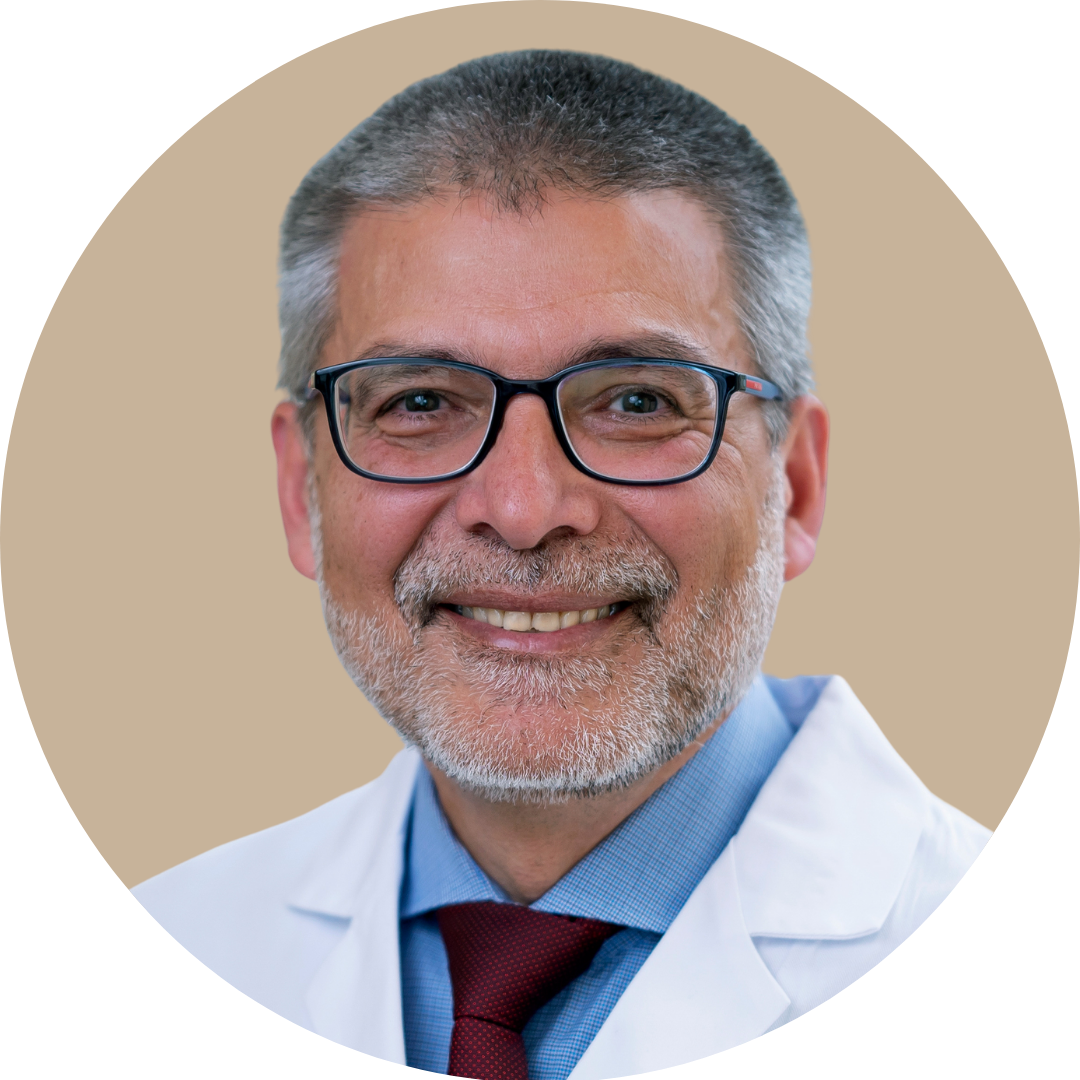
Professor Harald Kittler Professor Harald Kittler MD Professor Harald Kittler

Professor at the Department of Dermatology, Medical University of Vienna, Austria

Professor Harald Kittler has a special clinical interest in dermoscopy of pigmented skin lesions. His main research interest is digital dermoscopy, follow-up of pigmented skin lesions, and computer assisted digital dermoscopy. Harald has been working for 10 years in the field of dermoscopy and has published a number of scientific articles especially in the field of digital dermoscopy and dermoscopic follow-up of melanocytic nevi.

Professor Ashfaq A. Marghoob Professor Ashfaq A. Marghoob Professor Ashfaq A. Marghoob

Attending Physician, Dermatology Service, Memorial Sloan Kettering Skin Cancer Center, New York, USA

Professor Ashfaq A. Marghoob is a board-certified dermatologist specialising in the diagnosis and treatment of cancers of the skin. He is the director of Memorial Sloan Kettering’s regional skin cancer clinic in Long Island and consults and treats patients in the centre’s outpatient facility in Manhattan.

Although providing the best care possible for his patients remains his primary goal, Ashfaq also remains committed to education and clinical research, with the hope of educating physicians and the public about the importance of early skin cancer detection to save lives.

He is active in clinical research and has published numerous papers on topics related to skin cancer with an emphasis on melanoma, atypical/dysplastic nevi, and congenital melanocytic nevi. Ashfaq’s research interests are focused on the use of imaging instruments such as photography, dermoscopy, and confocal laser microscopy to recognise skin cancer early in its development.

Professor Aimilios Lallas Professor Aimilios Lallas MD PhD MSc Professor Aimilios Lallas

Dermatologist-Venereologist, First Department Of Dermatology, Aristotle University, Greece

President, International Dermoscopy Society

Aimilios Lallas is a  Professor of Dermatology at the First Department of Dermatology of Aristotle University in Thessaloniki, Greece. He is specialised in skin cancer diagnosis with non-invasive techniques, as well as in the management of skin cancer patients.

His main field of research interest is dermoscopy of skin tumours, the application of the method in general dermatology and the improvement of the management of oncologic patients. He is an author of more than 330 scientific papers published on Pubmed Central, most of them on dermoscopy and skin cancer. He is an editor of eight books and author of several book chapters on dermoscopy. He is a co-investigator in several Phase III Clinical trials on skin cancer treatment. He has been awarded several scholarships and scientific awards.

Over the last years, Prof Lallas has established scientific collaboration with numerous colleagues from several countries and has supervised the training of numerous fellows from different countries. He is an invited speaker in several domestic and international congresses and meetings, mainly on dermoscopy and on skin cancer diagnosis and management. He is particularly involved in teaching activities on dermoscopy, having organised and participated in numerous domestic and international courses.

Prof Lallas is currently the President of the International Dermoscopy Society.

Other ways to study this topic

Workshop

Complete your certificate online, then build practical skills in the accompanying optional hands-on workshop.

View workshop dates

Short courses

Study selected topics from this certificate as focused, standalone short courses for targeted upskilling in under 10 hours. 

Browse short courses

HealthCert 365

Access selected content from this certificate, plus 4,000+ hours of other CPD across a wide range of clinical areas.

Start free trial

CPD accreditation and course details

CPD Accreditation and Activities

Accredited CPD activities in this certificate

Each module in this certificate is an RACGP and ACRRM approved CPD activity. The certificate provides 50 hours of CPD for medical professionals in Australia.*

RACGP Activity Number ACRRM Activity Number Activity Title Education Hours Performance Hours
405076 38790 Dermoscopy for mucosal lesions 4.0 6.0
405086 38793 Dermoscopy for difficult benign lesions including naevi with special features 4.0 6.0
405089 38794 Dermoscopy for nail lesions 4.0 6.0
405092 38803 Dermoscopy for rare skin tumours 4.0 6.0
405099 38804 The broad spectrum of BCC and keratinocyte skin cancer 4.0 6.0
405100 38808 Dermoscopy for difficult melanomas 4.0 6.0
405101 38809 Dermoscopy in general dermatology 4.0 6.0
Total hours 28.0 42.0

*When the optional outcome measurement activity (minimum 5 hours) is completed. See our FAQs for more information about annual CPD requirements.

View the CPD Hours for all HealthCert Education activities.

Outcome measurement

The purpose of outcome measurement activities is to improve your clinical confidence in managing an identified learning gap. Outcome measurement activities are not a requirement of our Professional Certificate of Advanced Certificate courses; they are a requirement for Australian CPD purposes.

HealthCert Education provides a variety of outcome measurements activities to suit your needs:

  • Outcome Improvement Activities relating to specific topics within a course. They are designed to examine current clinical care, align clinical practice with best practice standards, and identify opportunities for improvement. These activities are accredited with RACGP and ACRRM.

  • Plan Do Study Act (PDSA) options on a specific topic or your identified area. A generic template and guides are provided. PDSAs are self-submitted activities.

  • Additional activities with guides include Test Measurement, Pathology Results, Practice Meetings, Peer Review, Practice Accreditation, Project Management, Student Supervision, and Pick your own topics (General Practice and Log Book methods). These are self-submitted activities.

Entry Requirements

The Advanced Certificate of Dermoscopy is suitable for physicians, nurse practitioners, and degree-qualified nurses.

Participants must have successfully completed the HealthCert Professional Certificate of Dermoscopy course (or a qualification deemed equivalent) and HealthCert also highly recommends successful completion of at least 25 cases of dermoscopy prior to enrolment. Equivalent alternatives include: practical experience, other qualifications or successful completion of the Professional Certificate examination.

Participants do not have to pass an IELTS test but, as the courses are delivered in English, proficiency in listening, reading and writing English is assumed.

Participants will require access to a computer/laptop, an internet connection and a basic level of technology proficiency to access and navigate the online learning portal.

Recognised Prior Learning (RPL)

Doctors who have completed the UQ Certificate of Advanced Dermatoscopy and Histopathology or other formal dermoscopy training can receive academic credit towards the Professional Diploma (the final course in the three-part program) if they achieve a pass mark in the exams of the first two certificate courses Professional Certificate of Dermoscopy and Advanced Certificate of Dermoscopy. Upon successful exam completion doctors can directly progress to (and will only need to pay for) the Professional Diploma of Dermoscopy course.

NOTE: While the HealthCert Professional Certificate of Skin Cancer Medicine course covers Dermoscopy, it does not qualify for recognition of prior learning in the Professional Diploma of Dermoscopy program which quickly moves on to more advanced dermoscopy techniques, including the Chaos and Clues method and the assessment of lesions on the face and acral sites. Professional Certificate of Skin Cancer Medicine alumni should begin with the Professional Certificate of Dermoscopy course.

Further professionally recognised qualifications and prior studies may be recognised for entry into this course if the learning outcomes match exactly. Please ask a HealthCert Education Advisor for an individual assessment of your prior qualifications and experience.

Certification

This certificate course meets the minimum 50 hours CPD annual requirement across all three mandatory CPD activity types, provided an outcome measurement activity with a minimum of five hours is completed. You may use an optional HealthCert outcome measurement activity or develop your own.

Outcome measurement activities are not a requirement of Professional or Advanced Certificates.

Upon successful completion of the course requirements, participants will receive the Advanced Certificate of Dermoscopy and CPD hours.

This certificate course:

  • Is recognised by the International Dermoscopy Society. Membership is worldwide and more than 100 countries are represented.

  • Developed in collaboration with the International Dermoscopy Society (IDS).

  • Qualifies for CPD hours from the Royal Australian College of General Practitioners (RACGP).

  • Qualifies for CPD hours from the Australian College of Rural and Remote Medicine (ACRRM).

  • Is recognised by the Royal New Zealand College of General Practitioners (RNZCGP).

  • Is recognised by the Hong Kong College of Family Physicians (HKCFP). The HKCFP recognises all courses endorsed by the RACGP. Hours are calculated differently.

  • Is a self-submitted activity in Dubai. The number of CPD hours must be stated on the certificate. Contact PLD@dhcr.gov.ae for more information.

  • Is a self-submitted activity in the UK. CPD events overseas, applicable to a doctor’s scope of practice, may be submitted for revalidation. Please confirm with your Responsible Officer.

  • Is a self-submitted activity in Canada through the College of Family Physicians of Canada. Contact mainprocredits@cfpc.ca for more information.

  • Meets World Federation of Medical Education standards.

  • Has been independently developed with subject experts and does not receive education grants from any pharmaceutical company.

Australia-based course participants, please note that HealthCert certificates are not accredited by TEQSA or ASQA and do not fall within the Australian Qualification Framework. All HealthCert certificates are professional development awards, accredited by RACGP, ACRRM and RNZCGP.

To learn more about the delivery of certificates in Australia and overseas, please visit our FAQs.

Pathways

Professional Diploma pathway

This course is the second stage of the three-part professional diploma pathway. The full pathway is Professional Certificate of Dermoscopy, Advanced Certificate of Dermoscopy, and Professional Diploma of Dermoscopy. 

RPL with The University of Queensland

The University of Queensland Master of Medicine (Skin Cancer) includes the unit IMED7002: Clinical and Dermatoscopic Diagnosis in Skin Cancer Practice. Credit precedence has been established for this subject if students have completed all three of the following HealthCert dermoscopy qualifications: Professional Certificate of Dermoscopy, Advanced Certificate of Dermoscopy and Professional Diploma of Dermoscopy to the unit IMED7002. Doctors who have applied and been accepted into the Master of Medicine (Skin Cancer) program may apply for Recognition of Prior Learning for IMED7002. View The University of Queensland's Master of Medicine (Skin Cancer) program here.

Master of Medicine (Skin Cancer)
Doctors who complete the HealthCert Professional Diploma programs in Dermoscopy, Skin Cancer Medicine and Skin Cancer Surgery can receive RPL for the units IMED7002, IMED7010, and IMED7011, which are high-level subjects in the Master of Medicine (Skin Cancer) at The University of Queensland. The Master of Medicine is open only to registered medical practitioners with at least two years' postgraduate experience. View The University of Queensland, Master of Medicine (Skin Cancer) program.

Please note, only HealthCert Education qualifications completed within the last ten years can be recognised. Credit is assessed on an individual basis and is not guaranteed. If you are considering continuing your studies at UQ, we encourage you to speak with a HealthCert Education Advisor before enrolling. They can explain the current RPL process and help you understand the available credit pathways.

HealthCert clinical attachments

Course participants who successfully complete the HealthCert Professional Certificate of Skin Cancer Medicine may continue their professional development by completing a HealthCert Clinical Attachment at a clinic or university teaching hospital to further develop professional knowledge. A HealthCert Australian Clinical Attachment is recommended as the first clinical attachment after completing the HealthCert dermoscopy qualifications and a HealthCert International Clinical Attachment is recommended for subsequent clinical attachments.

University quality-assured and CPD-accredited education provider

This organisation is an RACGP-accredited CPD provider under the RACGP CPD Program.

RACGP logo
ACRRM logo
AMA
Bond-Sep-09-2026-05-46-43-7981-AM
Griffith
IDS-1
Graz
Vienna
University of South Wales
Torrens
NSCC-2
Rila
UQ logo

Frequently asked questions

What are the costs and payment options of the course?

Fees will vary based on the program and study option selected (fully online vs online + optional practical workshop). Payments can be made upfront or in monthly instalments. Special rates and various payment options are available. GP registrars and doctors in training enjoy a scholarship of up to $500. Talk to us to learn more.

What is the Alumni Support Program?

Completion of any HealthCert course or attendance at an event will enable you to access the HealthCert Alumni Program which includes:

  • Access to special alumni rates for new courses when they are released.

  • Special alumni price for HealthCert Conferences.

  • Exclusive advanced access to HealthCert events.

  • Regular Alumni Webinars pertaining to the course(s) you have attended. These will provide content review of the course and an opportunity to discuss case studies.

  • Access to the video lectures as seen during the course(s) that you have attended.

How will I receive my certificate?

HealthCert Education is pleased to issue digital credentials for alumni. Digital credentials are a permanent online record of your successful completion of a HealthCert course and are issued to all course participants in addition to PDF certificates. If you are based in Australia, you also have the option to order a hard copy of your digital certificate for a small additional fee.

How long will the course take to complete?

The recommended study duration of this certificate course is listed at the top of this page. The estimated duration includes study of the pre-course activities and readings, online lectures, live tutorials, and online assessment. This self-paced course offers the flexibility of 100% online study in your own time, at your own pace, in your own home or office, with no mandatory face-to-face requirements. You are not required to be online at specific times but can view and replay video lectures at your convenience.

Is this course recognised in my country?

All HealthCert courses meet World Federation of Medical Education standards. This certificate course qualifies for CPD hours from the Royal Australian College of General Practitioners (RACGP) and the Australian College of Rural and Remote Medicine (ACRRM) in Australia. It is recognised by the Royal New Zealand College of General Practitioners (RNZCGP) in New Zealand. It is recognised by the Hong Kong College of Family Physicians (HKCFP) in China. It is a self-submitted activity in Dubai and the United Kingdom. It is a self-submitted activity through the College of Family Physicians in Canada. If you live or work outside one of the above-mentioned countries, please contact us on admin@healthcert.com to discuss whether this course can be recognised in your country.

Cancellation policy: What happens if I can't attend a practical workshop?

Course/workshop cancellations and transfers policy

Should you be unable to attend a course or practical workshop you have registered for, please inform us asap at admin@healthcert.com so we can make your place available to waitlisted doctors.

Charges may apply for course/workshop cancellations and/or transfers. Click here for details.

What our alumni say

Join thousands of doctors who have advanced their clinical practice with our certificate courses.

Get in touch with us

Our Education Advisors can assist you with any queries and tailor your education pathway to suit your current expertise, interests and career goals.

Richard - 1

Richard Silsby

Campbel Elton

Campbell Elton

Loretta Blackborough-1

Loretta Blackborough

Adam De Barros__1

Adam De Barros

Jules Wynyard edit circle (1)

Jules Wynyard