SHORT COURSES IN
Depression in the Elderly (Nurses)
Evaluate the strong association between ageing, physical health conditions and depression as well as the prevalence of depression in the elderly.
Recognise and treat depression in the elderly using lifestyle, psychological and pharmaceutical approaches.
Overview
This course begins with an overview of depression and the increasing higher levels of psychological distress for older people. The content includes information on understanding depression, depression categories and how the medical
profession defines depression. It then moves to the causes of depression, risk factors for the elderly, and other causal factors including at-risk groups. The effects of depression and how they may be displayed are mentioned, then considers diagnostic information, screening and assessment tools. Assessing suicide risk, differential considerations
and investigations are outlined. The GP Mental health Care Plan and treatment approach includes education, lifestyle changes, psychological and medication considerations. The course concludes with two clinical case studies.
This course is evidence-based, demonstrates best practice and is regularly updated.
Relevance to Nurses:
Depression is less prevalent among older adults than among younger adults but can have serious consequences. Over half of cases represent a first onset in later life. Although suicide rates in the elderly are declining, they are still higher than in younger adults and more closely associated with depression. Depressed older adults are less likely to endorse affective symptoms and more likely to display cognitive changes, somatic symptoms, and loss of interest than are younger adults.
Treatments including behavioral therapy, cognitive behavioral therapy, cognitive bibliotherapy, problem-solving therapy, brief psychodynamic therapy, and life review/reminiscence therapy are effective but too infrequently used with older adults. Preventive interventions including education for individuals with chronic illness, behavioral activation, cognitive restructuring, problem-solving skills training, group support, and life review have also received support.

What you will learn
- Recognise key clinical features and subtypes
- Develop practical treatment plans using topical, systemic and procedural options
- Identify triggers, patient factors and long-term management strategies
- Apply evidence-based approaches in everyday clinical practice
Course contents
Meet your presenter
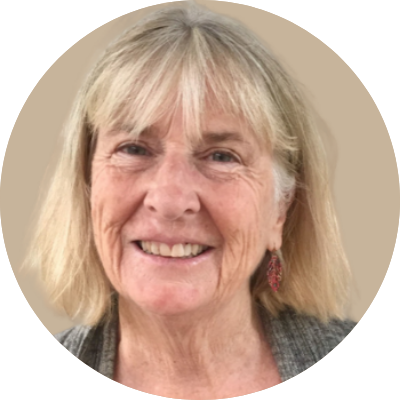
Dr Christine Ahern
MBBS FRACGP
Senior lecturer, Sydney University
Dr Christine Ahern has worked as a general practitioner in rural NSW since 1983, often with Aboriginal and Torres Strait Islander communities. Her special interests include women’s health and education.
Dr Ahern is a senior lecturer at Sydney University and has previously been the Director of Training for North Coast GP Training. In 2011 she was named the General Practice Education and Training Medical Educator of the Year, a prestigious national award. Dr Ahern holds a MBBS and FRACGP.
CPD hours
Accreditations
Australian Primary Health Care Nurses Association
Looking for a different way to learn?
Certificate Courses
Structured pathways across core clinical areas — build deep expertise through Professional, Advanced, and Professional Diploma levels.
Explore coursesPractical Workshops
Hands-on, small-group procedural training in Brisbane, Melbourne, and Sydney — available as a standalone or alongside a certificate program.
View workshopsHealthCert 365
Unlimited access to 4,000+ hours of accredited content across the full HealthCert library — your all-in-one annual learning platform.
Learn moreGet in touch with us
Our Education Advisors can assist you with any queries and tailor your education pathway to suit your current expertise, interests and career goals.
Go to section


.png?width=100&height=100&name=Jules%20Wynyard%20edit%20circle%20(1).png)